


NEWYou can now listen to Fox News articles!
Archaeologists in Jerusalem recently uncovered the remains of a Hanukkah-era wall linked to a Hasmonean leader — and tied to an ancient power struggle.
The discovery, made in the Tower of David Jerusalem Museum earlier this month, was announced by the Israel Antiquities Authority (IAA) on Dec. 8.
The wall is the longest, most intact segment of Jerusalem’s Hasmonean-era city wall, measuring more than 130 feet long and about 16 feet wide.
ARCHAEOLOGIST UNCOVERS ‘COMPELLING EVIDENCE’ OF TRUE LOCATION WHERE JESUS TURNED WATER INTO WINE
The area was once a citadel complex in the time of King Herod, who ruled from 37 to 5 B.C. after he was appointed king of Judea by the Romans.
Built during the days of the Maccabees, the wall was completed in the late 2nd century B.C.
In a statement, excavation directors Amit Re’em and Marion Zindel said the wall remnants are “particularly impressive in both size and degree of preservation.”
They added, “The wall is meticulously built of large, heavy stones, with a chiseled boss typical of this period.”
“Originally, the massive wall rose to a height of more than 10 meters! But today, only a stump remains.”
Experts have relied on ancient sources to learn more about the wall. In the first century A.D., historian Josephus wrote that the wall was “impregnable” with its 60 towers.
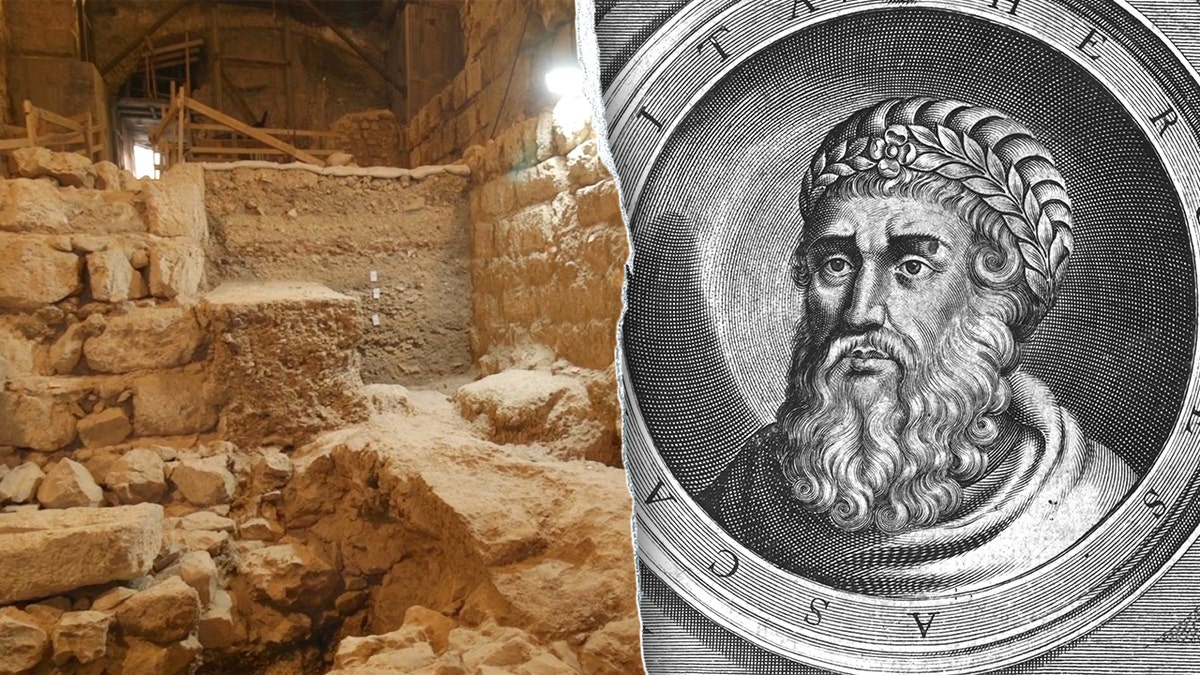
“There is much more to this wall than meets the eye,” said Re’em and Zindel. “It is clear that it was systematically destroyed and razed to the ground.”
They continued, “This is predetermined destruction — not the result of the ravages of time, nor of a random enemy attack, but a deliberate execution of a well-planned action. This raises questions about who was responsible for the wall’s destruction.”
CLICK HERE FOR MORE LIFESTYLE STORIES
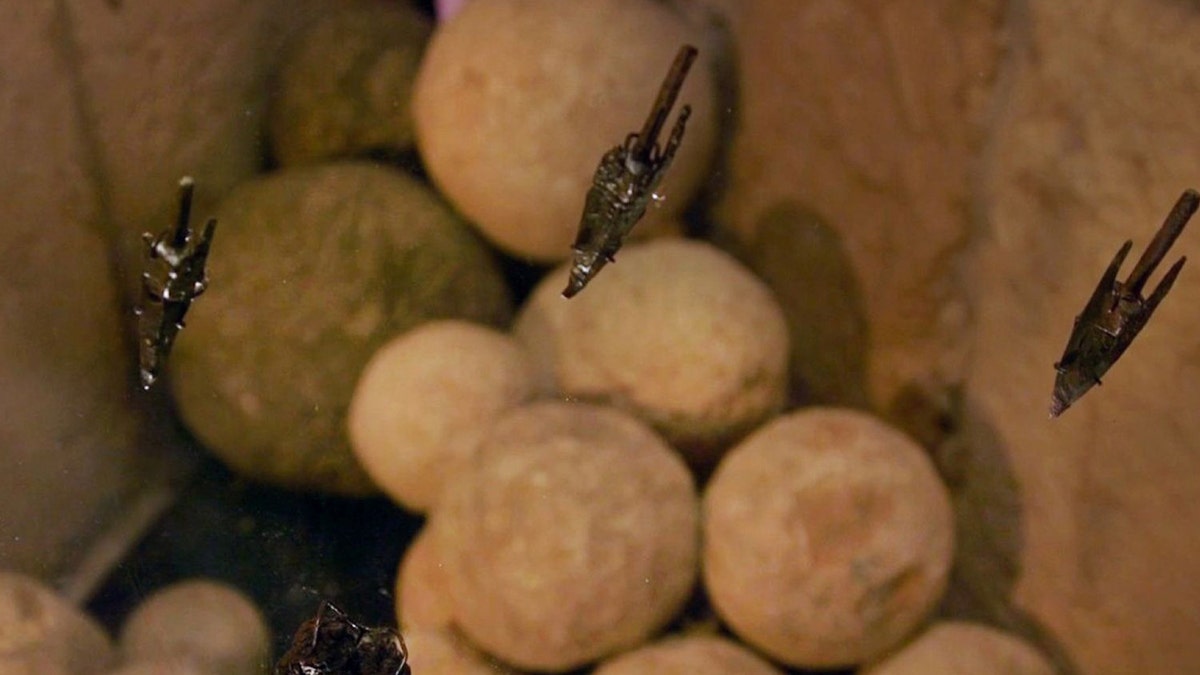
Why was the wall destroyed in the first place? After analyzing the site and its artifacts, which included ancient arrowheads, researchers have two different military-related theories.
In the first theory, the wall was dismantled by the Hasmoneans themselves after the group settled with Antiochus VII Sidetes, the Seleucid king who besieged the city between 134 and 132 B.C.

“Sidetes demanded that Jerusalem dismantle its fortifications as a precondition for lifting the siege,” the IAA said. “Possibly, the destruction of this newly discovered wall is a testament to and a vestige of that agreement.”
TEST YOURSELF WITH OUR LATEST LIFESTYLE QUIZ
The second theory suggests that King Herod himself ordered the wall’s destruction, the IAA said. That’s evidenced by a sentiment that researchers attribute to Herod’s agenda: “The days of the Hasmonean kings are over, and I am their successor.”
The statement added, “Its systematic demolition could well fit this Herodian policy, evinced in other manners as well.”
Eilat Lieber, director of the Tower of David Jerusalem Museum, said his organization is “committed to preserving this impressive and unique sight.”
Said Lieber, “The archaeological excavation … was conducted in preparation for the creation of the new Schulich Wing of Archaeology, Art and Innovation.”
“In the new wing, visitors will stand on a transparent floor above these ancient stones, and, together with [the] interpretations of contemporary artists, this wing will bring a new connection to the history and heritage of the city.”
Read the full article here