


NEWYou can now listen to Fox News articles!
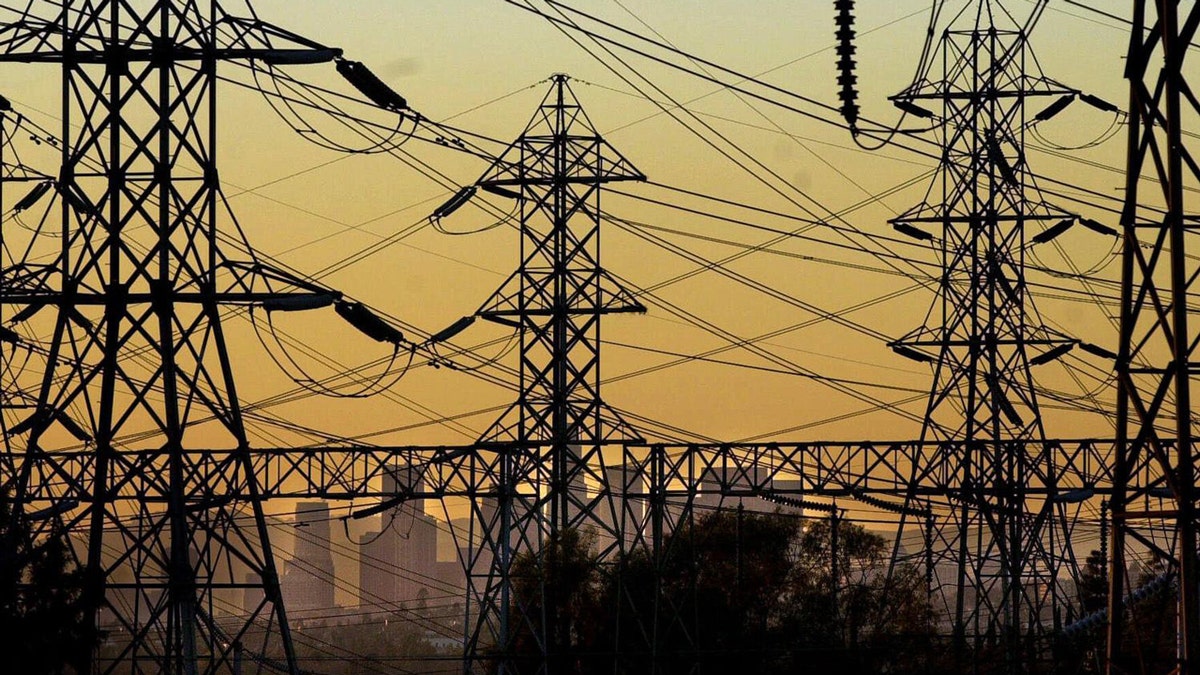
Artificial Intelligence and data centers have been blamed for rising electricity costs across the U.S. In December 2025, American consumers paid 42% more to power their homes than ten years ago.
“When you have increased demand and inadequate supply, costs are going to go up. And that’s what we’re experiencing right now,” Exelon CEO Calvin Butler said.
TRUMP SAYS EVERY AI PLANT BEING BUILT IN US WILL BE SELF-SUSTAINING WITH THEIR OWN ELECTRICITY
In 2024, U.S. data centers used more than 4% of total U.S. electricity consumption according to the International Energy Agency. That equates to as much electricity as the entire nation of Pakistan uses annually. U.S. Data Center consumption is expected to grow by 133% by the end of the decade, using as much power as the entire country of France.
“We’re headquartered in Chicago, and we’re the owner of ComEd, the fourth-largest utility in the nation. ComEd’s peak load is roughly 23 gigawatts. We have had data center load come onto the system, but by 2030, we’ll be at 19 Gigawatts,” Butler said.
Commonwealth Edison has experienced a dramatic increase in data center connection requests. The potential projects total more than 30 gigawatts and are expected to come online between now an 2045.
“Our growth is unprecedented in the last several decades. So, with the data center advent and the technology coming, we’ve been forced to serve that load, which is our responsibility,” Butler said. “But what we also have to do is build new generation supply, which is not keeping up with the load that is coming on. And that’s the crunch that we’re in right now.”
IN 2026, ENERGY WAR’S NEW FRONT IS AI, AND US MUST WIN THAT BATTLE, API CHIEF SAYS
Commonwealth Edison is asking regulators for a $15.3 billion 4-year grid update to meet the growing demand. The U.S. overall has increased its grid capacity by more than 15% over the last decade, but many utility companies and energy producers say it is not enough.
“We’re at a stage right now where we’re constrained by electricity,” Commonwealth Fusion Systems CEO Bob Mumgaard said. “You want to make power plants that can make a lot of power in a small package that you can put anywhere, that you could run at any time and fusion fits that bill.”
Commonwealth Fusion Systems is working to add a new form of nuclear energy to the grid — fusion. It has the same reliable benefits of standard nuclear energy already in use, but does not produce long-lived radioactive waste and carries fewer risks.
“In fusion there’s no chain reaction. The result is helium which is safe and inert and you don’t use it to make anything related to weapons,” Mumgaard said.
US POWER CRUNCH LOOMS AS OKLO CEO SAYS GRID CAN’T KEEP UP WITHOUT NEW INVESTMENT
Commonwealth Fusion Systems says Artificial Intelligence is helping bring fusion energy closer to being a new resource.
“Building and designing these complex machines and manipulating this complex data matter of plasma are all things that we’re still learning and we’re still figuring out how to do,” Mumgaard said. “And that’s an area where we’ve been able to accelerate using A.I.”
Other under-utilized energy sources could soon get a big boost thanks to A.I. Geothermal energy is a small part of the electric grid, because of the high drilling costs and low confidence in where to place infrastructure.
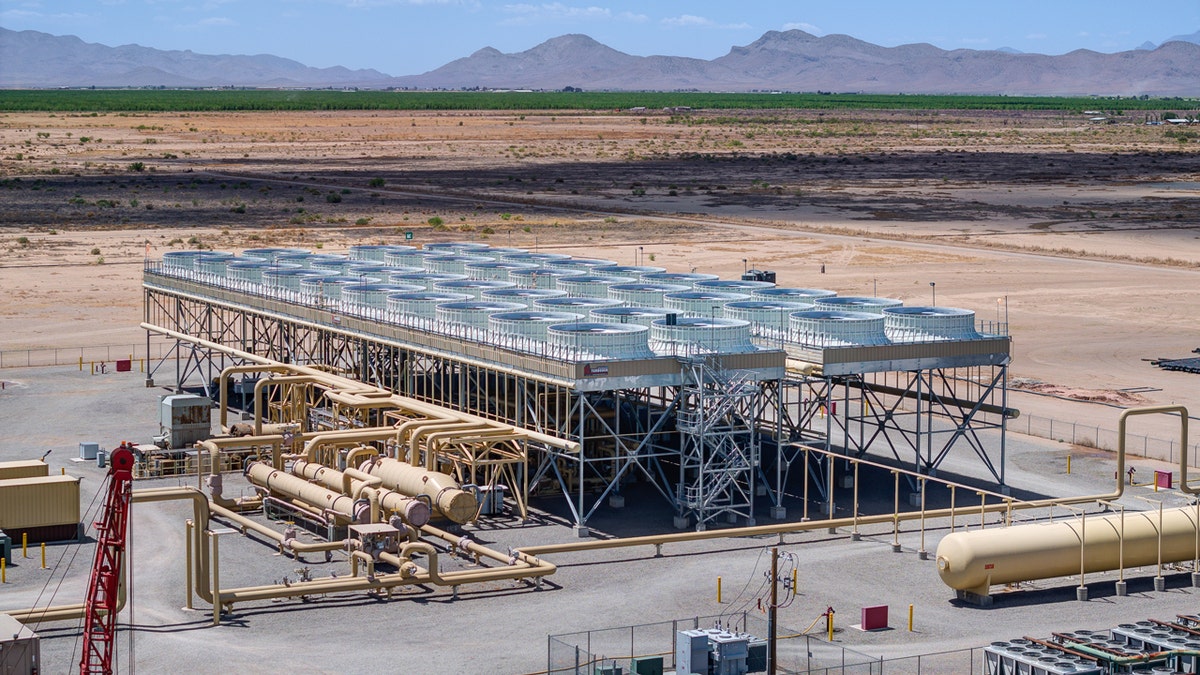
“If you could drill the perfect geothermal well every single time, like you pick the right spot, you design the right well, you drill the 5,000, 8,000 feet, you hit 400F degree temperatures, that’s incredibly productive,” Zanskar Co-founder Joel Edwards said. “If you could do that every single time over and over and again, geothermal power is the cheapest source of power period.”
Zanskar is working to make the geothermal search more exact. The company uses A.I.-fueled mapping to find untapped resources previously thought non-existent.
“If we could just get more precise in where we go to find the things and then how we drill into the things, geothermal absolutely has the cost curve to come down,” Edwards said. “And that’s sort of what we’re running towards, with A.I. sort of giving us the boost, giving us an edge to do that.”
Both geothermal and nuclear fusion can produce energy in any weather at any time, a component that could have helped ease the grid strain amid the recent winter storm.
“It’s critical, and we’ve been raising that alarm for years now, and I use the analogy that you’re driving a car and your check engine light is on, but you keep driving it, hoping that you’ll keep getting there and keep going, but when it breaks down, you’re going to have a significantly higher cost,” Butler said. “We have to pay attention to what’s going on, and this winter storm – Winter Storm Fern – is indicative of what’s coming.”
Read the full article here