


NEWYou can now listen to Fox News articles!
President Donald Trump says the military will start “buying a lot of coal” as part of a new push to boost domestic coal production and strengthen what he describes as the reliability of the U.S. power grid. Turning that pledge into reality, however, will require navigating Pentagon procurement rules, congressional funding limits and the physical constraints of the electric grid.
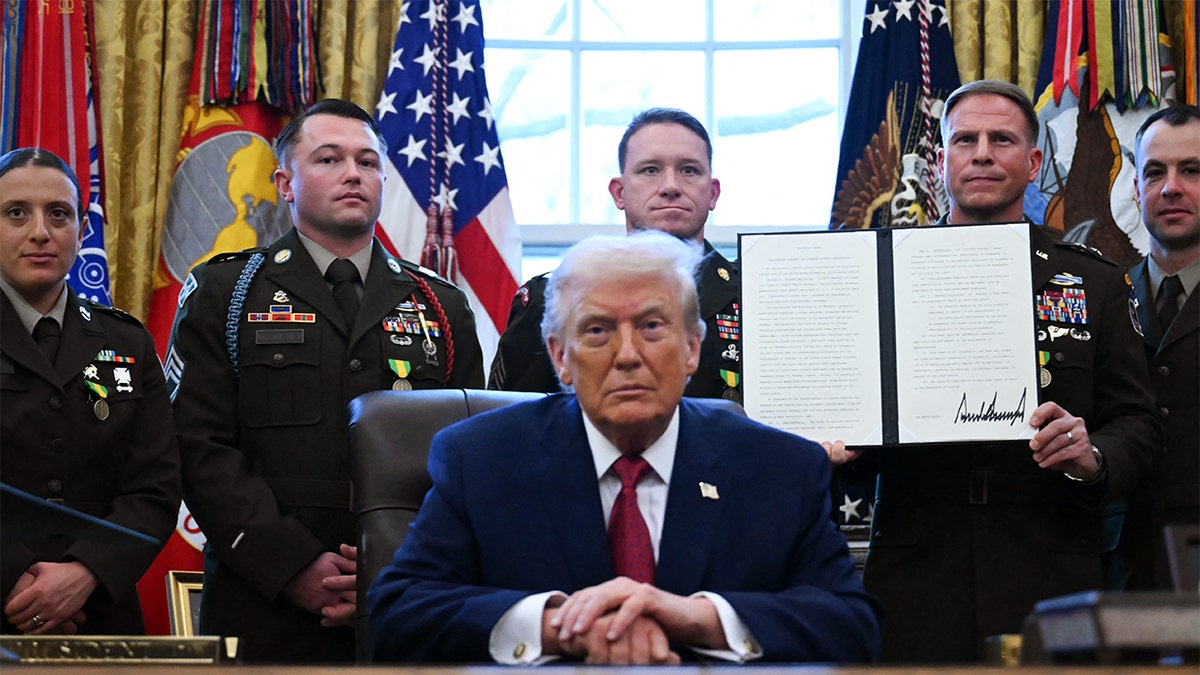
A new executive order, signed Wednesday, directs the secretary of war to “seek to procure” power from coal-fired facilities through long-term power purchase agreements serving military installations and other mission-critical facilities. It also calls on the Department of Energy to help keep certain coal plants online.
But executive orders set policy direction — they do not automatically create new funding or rewrite electricity market rules. The order itself states that implementation must be consistent with applicable law and “subject to the availability of appropriations.”
“Executive orders can’t drive appropriations,” said Jerry McGinn, a former Pentagon official and now executive director of the Baroni Center for Government Contracting at the Center for Strategic and International Studies.
LIZ PEEK: TRUMP WHITE HOUSE FIRED UP ABOUT KING COAL’S RETURN TO POWER
What the War Department can do is direct its contracting offices to pursue agreements with coal-fired plants where feasible.
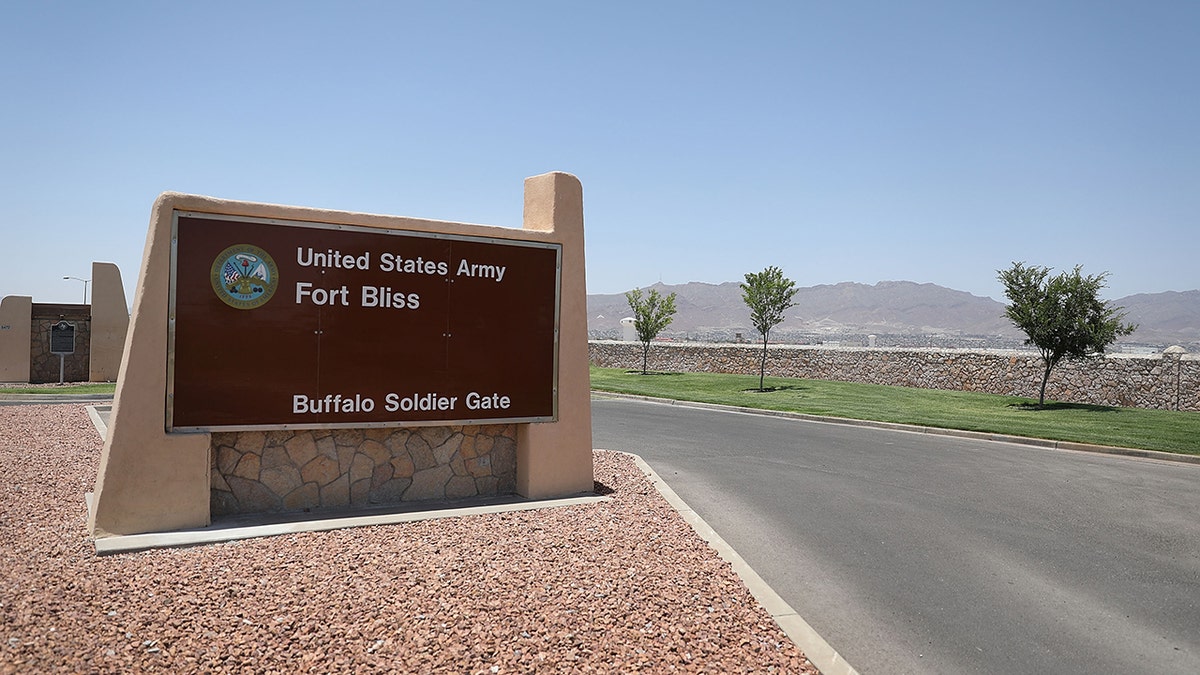
The military routinely enters into long-term electricity supply agreements to power individual installations, including projects at bases such as Nellis Air Force Base in Nevada and Fort Cavazos in Texas, where on-site generation has been developed through third-party contracts.
In theory, it could structure deals with nearby coal facilities if officials determine the contracts enhance grid reliability, fuel security or mission assurance — priorities outlined in the order.
“They have a great amount of flexibility,” McGinn said, noting that energy sourcing decisions would depend on what is workable at individual installations.
That flexibility, however, operates base by base — not nationwide.
The War Department does not regulate regional electricity markets. It can sign contracts for power serving specific installations, but it does not set dispatch rules for grid operators or dictate fuel choices for civilian utilities.
Most military bases are connected to regional grids, where electricity from multiple sources — natural gas, nuclear, renewables and coal — is pooled together and dispatched according to market rules. Even if the Pentagon signs a contract with a specific coal plant, the electricity physically delivered to a base would still come from the broader grid mix.
In practice, such agreements would function primarily as financial commitments to particular facilities rather than a literal rerouting of coal-generated power.
TRUMP’S ENERGY DOMINANCE REWRITES THE STRATEGIC PETROLEUM RESERVE AFTER BIDEN DRAWDOWNS
Scale presents another constraint. Coal plants are large generators, often producing far more electricity than a single installation consumes. While military bases use significant power, contracts would need to be sizable and long term to meaningfully sustain entire commercial facilities.
If shifting energy sourcing at certain bases requires infrastructure changes or new contractual arrangements, that could require additional Defense or Energy Department investment, McGinn said.
“It would sort of be a determination on where does this make sense, where can we do this easily, and where do we want to invest,” he said.
Any significant expansion of contracts or infrastructure spending would likely involve Congress.
Utility costs for bases are typically paid through operations and maintenance accounts approved by lawmakers. If implementing the policy requires new construction, transmission upgrades or higher long-term energy costs, additional appropriations could be required.
The administration says the directive is meant to ensure uninterrupted, on-demand baseload power for military installations and critical defense facilities, grounded in the belief that coal provides reliable and resilient energy that intermittent sources do not, according to the White House fact sheet.
The fact sheet also explicitly ties the policy to broader aims of energy security, economic stability and “energy dominance.”
Trump and his team repeatedly have described the move as part of a broader push to revitalize coal production and protect coal jobs — including the $175 million in Department of Energy funding for coal plant upgrades and “beautiful, clean coal” rhetoric at the signing event. At that event, he said the military will be “buying a lot of coal” and framed the actions as support for hard-working miners and “reliable power.”
The White House is pursuing a parallel strategy to revive certain coal plants that have shut down or face retirement. Trump said the Department of Energy would issue funds to facilities in West Virginia, Ohio, North Carolina and Kentucky to keep them operating or restart idled units.
Recommissioning a coal plant can vary significantly depending on its status.
Facilities that have been temporarily idled or “mothballed” may be able to return to service in months. Fully retired plants, however, can require extensive equipment repairs, environmental compliance reviews, workforce rehiring and transmission readiness upgrades — a process that can take considerably longer.
The White House and the Pentagon did not immediately respond to requests for comment on how the directive would be implemented.
CLICK HERE TO DOWNLOAD THE FOX NEWS APP
Ultimately, the impact of Trump’s directive will depend on execution. Targeted contracts near specific installations could provide limited support to certain facilities.
A broader effort to use military purchasing power to sustain multiple commercial coal plants would likely require substantial funding, careful contract structuring and congressional backing.
Read the full article here