


NEWYou can now listen to Fox News articles!
The Washington Post editorial board argued on Monday that raising taxes on top earners in the United States, a solution lauded by many prominent progressives, would be a fruitless endeavor based on new research.
The Post published an editorial titled “Little to gain by raising taxes on the rich,” citing a paper by three members of the “scrupulously nonpartisan” Joint Committee on Taxation which concluded, “Large changes in top tax rates around the revenue-maximizing rate yield small changes to revenue.”
“Politicians who want to raise taxes on the rich will be disappointed to learn they wouldn’t get much additional money to spend by doing so, though it would slow economic growth,” the outlet claimed.
WASHINGTON POST CITES U-HAUL DATA IN CALIFORNIA EXODUS TO ‘PRO-GROWTH’ STATES, SAYS ‘DECLINE IS A CHOICE’
The research paper referenced by the Post, titled “Laffer Curves Are Flat,” was written by economists Rachel Moore, Brandon Pecoraro and David Splinter, and used the “Laffer Curve” as a means to measure the trade-off between the top tax rate and revenue.
“Holding the rest of the tax system constant, they found the top federal rate to maximize total government revenue would be 39%, and that would only raise long-run revenue by 0.21%. Any top rate in the range of 30% to 45% raises roughly the same amount of total revenue over the long run. Go higher, and revenue falls,” the Post wrote.
Aside from pinpointing the optimal top rate, the Post highlighted the importance of considering how federal tax rates interact with state and local taxes.
NY POST, WSJ, NY TIMES AND WASHINGTON POST ALIGN AGAINST TRUMP ADMIN OVER ICE OPERATION IN MINNEAPOLIS
“If raising more federal revenue corresponds with reductions in state or local revenue, then there’s not much point in raising it, since those other jurisdictions are likely to beg Washington for funds,” the editorial board contended.
As noted by the Post, Moore, Pecoraro and Splinter concluded that determining the exact revenue-maximizing top rate isn’t very important.
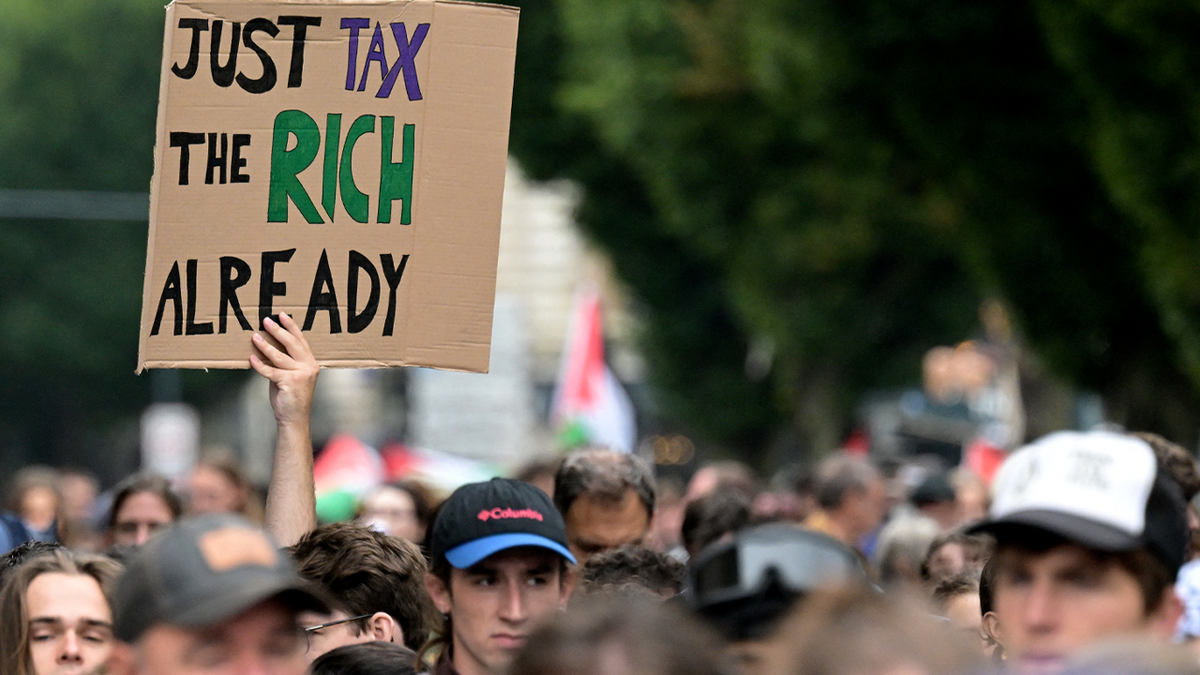
“The relevant policy choice is between tax progressivity and growth: the equity-efficiency trade-off,” the economists wrote.
Referencing the economists’ findings, the Post contended that “small changes in revenue from raising the top rate” typically resulted in “significant reductions in economic growth from doing so.”
CLICK HERE FOR MORE COVERAGE OF MEDIA AND CULTURE
The editorial board argued that “a more progressive tax code means a smaller economy,” and that even modest increases to the top tax rate would result in “millions fewer jobs and an economy that’s worth trillions less, all with less revenue to show for it.”
Reflecting a broader trend for the historically liberal newspaper, the Post highlighted an argument long emphasized by conservative economists — that further redistribution of income through higher taxes and increased government transfers is counterproductive.
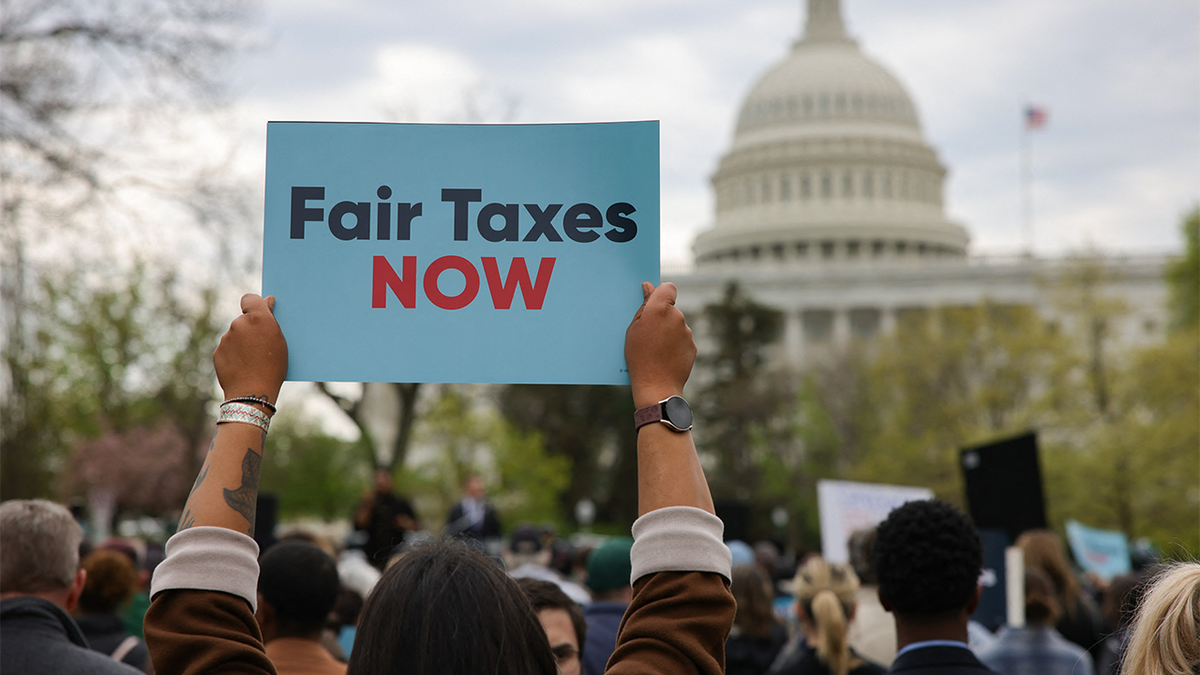
“A recent report from the Congressional Budget Office [CBO] found that the federal tax and transfer system significantly reduces income inequality,” the outlet noted. “While it’s true that the top 1 percent of income earners have gradually gained a larger share of pretax income over time, their share of the federal income tax burden has increased faster.”
Pointing to the CBO’s findings, the editorial board noted that “social insurance, taxes and transfers lower the most common measure of income inequality, something called the Gini coefficient, by 28 percent.”
CLICK HERE TO DOWNLOAD THE FOX NEWS APP
“Other rich countries have much less progressive tax systems, not because they tax the rich less, but because they tax the middle class more,” the Post added.
Wrapping up its thoughts, the editorial board concluded that making “an already progressive income tax a little more progressive isn’t worth the trouble.”
Read the full article here