


NEWYou can now listen to Fox News articles!
Scientists have developed a new therapy designed to repair cardiac damage after a heart attack.
The study, led by researchers at Columbia University and published in the journal Nature Biomedical Engineering, explored a two-step strategy that uses skeletal muscle to produce a healing molecule that activates when it reaches an injured heart.
Unlike many organs, the adult human heart has a limited ability to repair itself after a heart attack, the researchers noted.
DIABETES BREAKTHROUGH APPROACH COULD PROTECT CELLS AND PREVENT DISEASE
“The heart is one of the organs with the least ability to regenerate,” said Ke Cheng, a professor of biomedical engineering at Columbia and the study’s lead author, in a press release.
Dead muscle is typically replaced by stiff scar tissue, often leading to heart failure. However, newborns’ hearts can spontaneously regenerate during a brief window of time.
“The neonatal heart spontaneously produces more of this molecule after a heart attack,” Cheng said. “The adult can’t produce a sufficient amount, so we found a way to supplement this to the heart.”
“The whole idea is that we learn from nature.”
The secret to this treatment is a protein called ANP, which acts as a repair mechanism for the heart, according to the researchers. Normally, this protein is impossible to use as a drug because it dissolves in the blood within minutes, long before it can reach the heart.
CLICK HERE FOR MORE HEALTH STORIES
To solve this, researchers turned the body’s own skeletal muscles into a sort of factory to produce ANP, using a specialized RNA injection to give the arm or leg muscles a set of instructions.
These instructions tell the muscle to produce a “sleeping” version of the repair protein. This inactive version safely travels through the bloodstream until it hits the heart, according to the release.
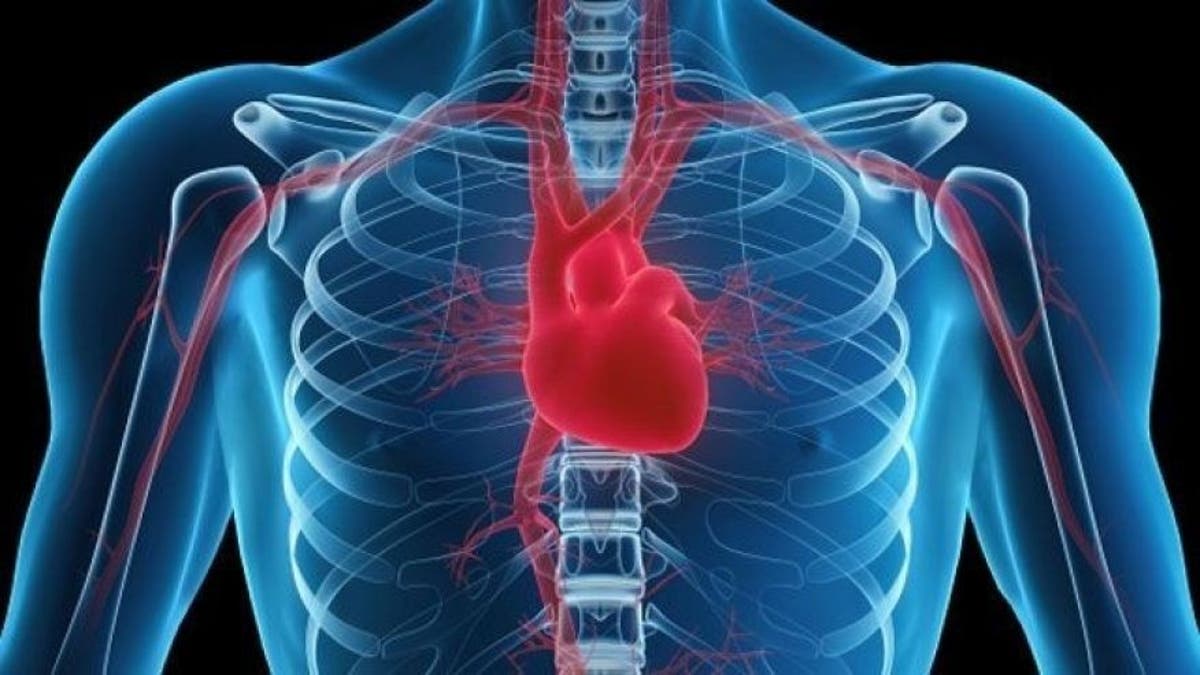
Once there, it meets a specific enzyme that acts like a key, “waking up” the protein so it can begin repairing exactly where it’s needed.
In preclinical trials involving both small and large animals, a single injection into the limb reduced scarring and significantly improved heart function.
CLICK HERE TO DOWNLOAD THE FOX NEWS APP
Because the researchers used self-amplifying RNA, which replicates once it’s inside the body, the treatment continued to produce the healing protein for at least four weeks.
CLICK HERE TO SIGN UP FOR OUR HEALTH NEWSLETTER
The therapy remained effective even when administered a week after the initial injury, providing hope for patients who do not receive immediate treatment, the researchers also found.
“The patient doesn’t have to go to the hospital today and tomorrow,” Cheng said, noting that the method avoids the risks associated with injecting treatments directly into the heart muscle.
So far, the treatment has only been tested in animals, which poses a significant limitation to the study. Human hearts are much more complex, and clinical trials are needed to determine whether they react in the same way.
TEST YOURSELF WITH OUR LATEST LIFESTYLE QUIZ
Additionally, because the RNA remains active for several weeks, scientists need to ensure that producing this repair protein for an extended time doesn’t cause any unintended side effects in other parts of the body.
Read the full article here