


NEWYou can now listen to Fox News articles!
When people think about protecting their health, bone health often takes a back seat to more prominent concerns like cancer or heart disease.
But for women, bone density can become a real issue with age, as osteoporosis weakens bones and increases the risk of fractures.
Dr. Mary Claire Haver, a board-certified OBGYN, certified menopause specialist, and associate professor of obstetrics and gynecology at the University of Texas Medical Branch, spoke with Fox News Digital about the severity of this threat.
YOUR FAVORITE WINTER DRINK MAY WEAKEN BONES AND PACK MORE SUGAR THAN A CANDY BAR
“About 50% of women can expect to have an osteoporotic fracture before they die,” she said. “That is triple the rate of men.”
Osteoporosis is defined as a “bone disease that develops when bone mineral density and bone mass decreases, or when the structure and strength of bone changes,” according to the National Institute of Arthritis and Musculoskeletal and Skin Diseases.
The condition can cause the bones to become so weak and brittle that a fall or even mild stress, like coughing, can cause a break.
Haver — who is also founder of The ‘Pause Life, a health and wellness platform focused on supporting women through midlife changes — noted that the “downfall” after these fractures can be “pretty devastating.”
TEA PROTECTS, COFFEE DESTROYS? NEW STUDY REVEALS STARK BONE-DENSITY DIVIDE FOR OLDER WOMEN
Fractures can lead to disability, death and high medical costs, according to a blog post by Haver on The ‘Pause Life’s website.
Risks and warning signs
Haver emphasized that osteoporosis is a “largely preventable” disease.
“Paying attention to the lifestyle, the behaviors, possibly the medications that can prevent osteoporosis earlier in life, will really help stave off some of the loss of independence that women are suffering from as they age,” she told Fox News Digital.

The condition is more likely to occur in those who have hormone imbalances, have undergone gastrointestinal surgery, have low calcium intake or experience disordered eating, according to Haver and Mayo Clinic. Those with a family history of osteoporosis may also face a higher risk.
CLICK HERE FOR MORE HEALTH STORIES
People who have taken corticosteroid medicines for conditions like seizures, gastric reflux, cancer and transplant rejection are more susceptible, as are those with celiac disease, inflammatory bowel disease, kidney or liver disease, multiple myeloma and rheumatoid arthritis.
Although osteoporosis is sometimes referred to as a “silent disease,” which can progress without symptoms until a fracture occurs, there are a few subtle clues that may indicate “lower than normal” bone density, Haver said.
CLICK HERE TO SIGN UP FOR OUR HEALTH NEWSLETTER
These include loss of height, back pain, receding gums, and weak or brittle nails.
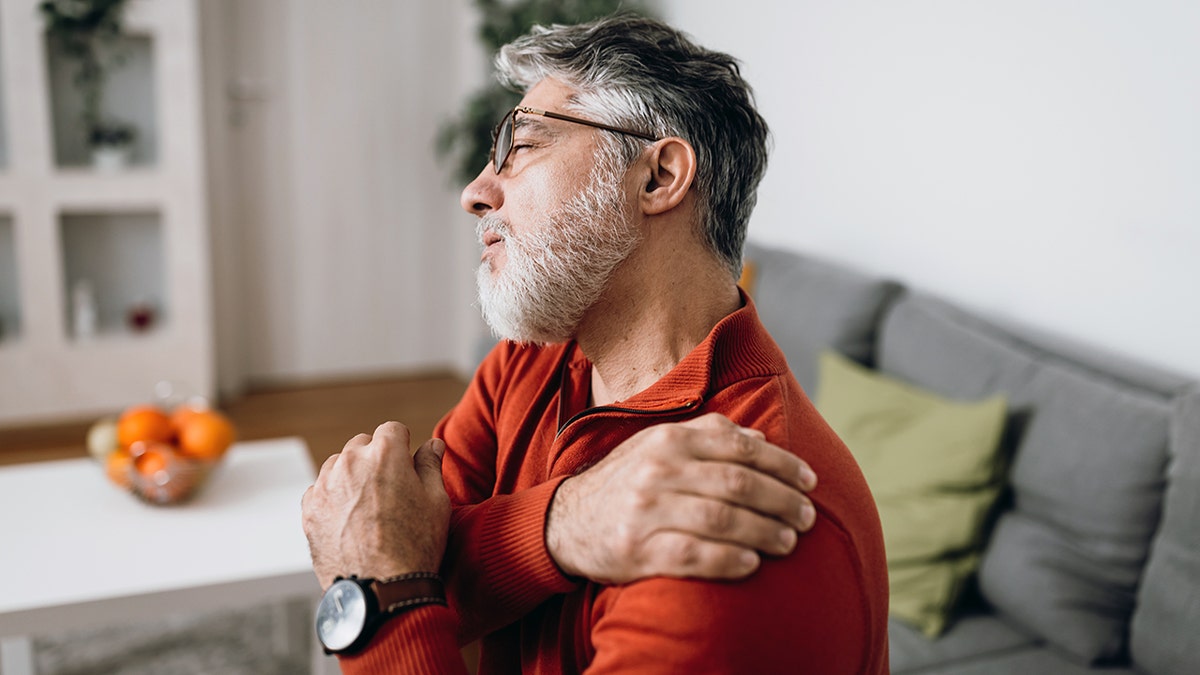
Osteoporosis can also be caused by certain unhealthy habits, such as being sedentary, consuming excessive alcohol and using tobacco.
CLICK HERE TO DOWNLOAD THE FOX NEWS APP
Mayo Clinic reported, “People who spend a lot of time sitting have a higher risk of osteoporosis than do those who are more active.”
Haver agreed that staying physically active, while getting enough calcium and vitamin D through a healthy diet or supplementation. can help maintain healthy bone density.
TEST YOURSELF WITH OUR LATEST LIFESTYLE QUIZ
“Engage in weight-bearing exercise and resistance training, avoid smoking and excessive alcohol consumption, and talk to a doctor about any medications that may affect bone health,” she wrote in her blog post.
“Regular bone density testing may also be recommended for some individuals to monitor their bone health and identify any potential issues early on.”
Read the full article here