

NEWYou can now listen to Fox News articles!
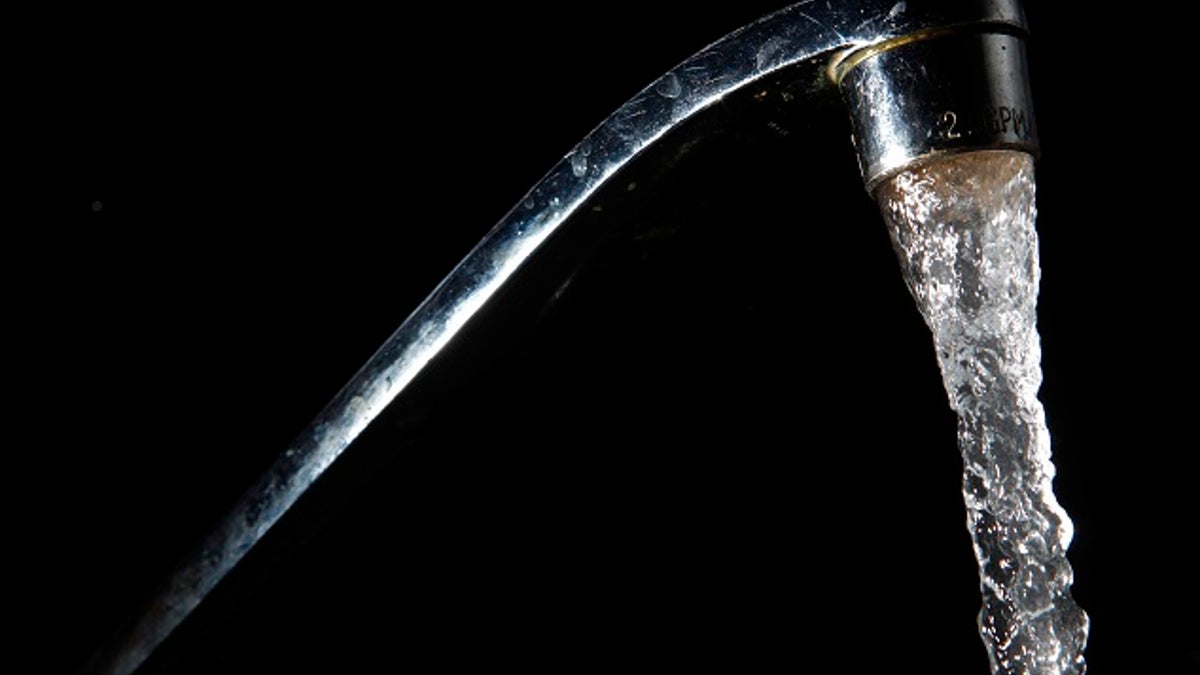
The Department of Health and Human Services (HHS) and the Environmental Protection Agency (EPA) on Thursday announced a massive joint effort to measure, understand and remove microplastics and pharmaceuticals from the nation’s water supply and the human body.
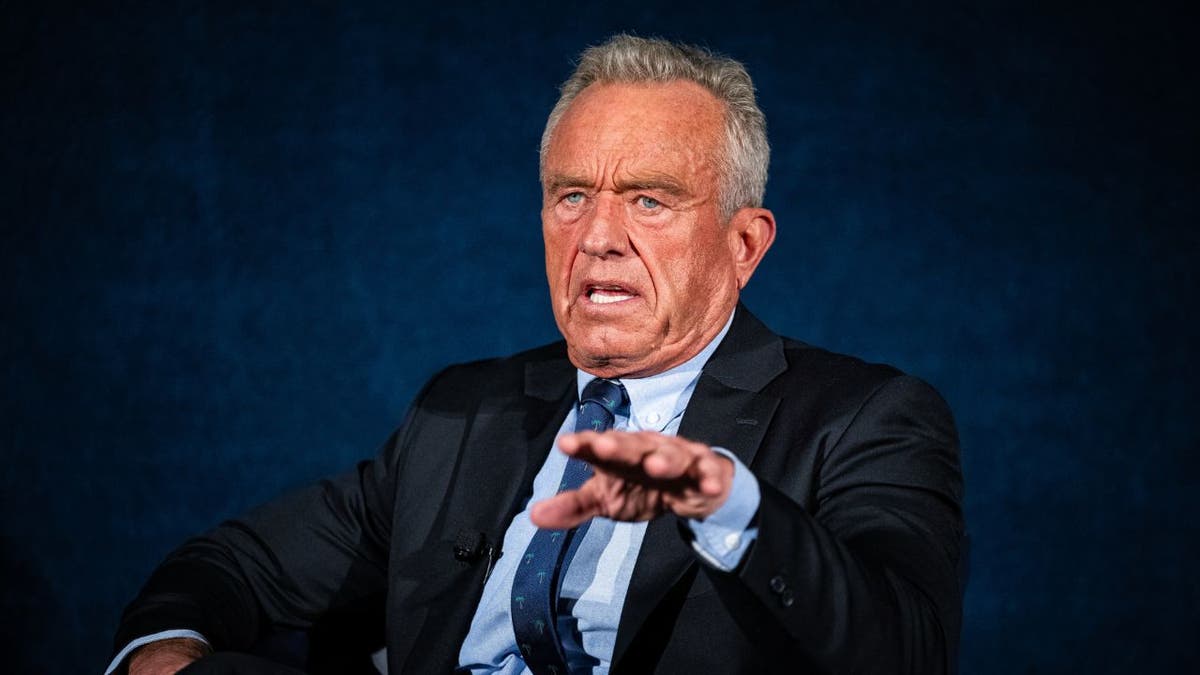
HHS Secretary Robert F. Kennedy Jr. and EPA Administrator Lee Zeldin detailed the urgency of the growing health crisis during a press event, citing dramatic increases in plastic concentrations in human organs.
“This is not a rare exposure, this is baseline,” Kennedy warned, noting that researchers have found plastic particles in human blood, lung tissue, livers, kidneys and in every single sample of tested human placentas. “We are not dealing with a distant or theoretical risk. We are dealing with a measurable and growing presence inside the human body. And the signal is getting stronger.”
He added that the concentration of plastics in the human brain has spiked by 50% since 2016, amounting to roughly “a spoonful of plastic in every human brain.”
BANNED CHEMICALS FOUND IN AMERICAN SHAMPOO, SUNSCREEN AND TAMPONS ACROSS MAJOR BRANDS
Kennedy also highlighted a clinical study revealing that patients with microplastics detected in their arterial plaque face a 450% higher risk of heart attack, stroke or death within three years.
“We do not ignore signals like that,” he said. “We investigate.”
To tackle the medical crisis, the administration is launching the STOMP (Systematic Targeting of Microplastics) initiative, a national program valued between $134 million and $144 million, which aims to precisely measure microplastics in the body, track how they cause biological harm and safely remove them.
WATCH: PARODY DRUG AD SPOTLIGHTS RFK’S CRACKDOWN ON MISLEADING PHARMACEUTICAL MARKETING
Dr. Alicia Jackson, who leads the Advanced Research Projects Agency for Health, said the program will develop a clinical test for microplastics that takes less than 15 minutes and costs less than $50 so that every American can have access.
“STOMP will do, in five years, what the entire field has been unable to do for decades,” Jackson said. “… This field has been working in the dark long enough and STOMP turns on the lights.”
On the environmental front, Zeldin announced the release of the draft Sixth Contaminant Candidate List (CCL 6), which includes 75 chemicals, four chemical groups — microplastics, pharmaceuticals, per- and polyfluoroalkyl substances (PFAS), along with disinfection byproducts (DBPs) and nine microbes.
TRUMP ADMIN’S NEW NUTRITION GUIDELINES TARGET ULTRA-PROCESSED FOODS, EASE UP ON RED MEAT AND SATURATED FATS
“For too long, Americans have been ignored as they sound the alarm about plastics in their drinking water. That ends today,” Zeldin said. “By placing microplastics on the Contaminant Candidate List, for the first time ever, [the] EPA will follow the science, pursue answers and will hold ourselves to the highest standards to protect the health of Americans.”
Additionally, the EPA released human health benchmarks for nearly 400 pharmaceuticals known to, or have the potential to, occur in drinking water — including antibiotics, antidepressants and hormones.
While the benchmarks are not enforceable regulations, Zeldin described them as a “vital resource” to empower local decision-makers to evaluate risks and protect their communities.
CLICK HERE TO DOWNLOAD THE FOX NEWS APP
Medical experts at the conference stressed the staggering economic toll of plastic exposure.
“Just from the few chemicals that we know about, the United States health care cost contribution of plastic exposure right now is $250 billion,” said Dr. Leonardo Trasande, a pediatrician and director at NYU Grossman School of Medicine. “1.2% of our gross domestic product goes out the window as a result of toxic exposures that derive from plastic. … We’re probably underestimating the scope of the problem.”
Read the full article here