


NEWYou can now listen to Fox News articles!
Many travelers and cruise lovers may consider scuba diving during a vacation trip a cherished bucket-list item — but a pair of recent deaths have driven home concerns about diving risks for older Americans, even as experts say the activity remains relatively safe.
A 64-year-old woman in West Hills, California, passed away on Jan. 26 after going scuba diving off the coast of Catalina Island in the Golden State, authorities said.
She exhibited signs of distress while diving, the Los Angeles Times reported — and died later at a hospital.
NEARLY 70 SKIERS STRANDED IN MIDAIR FOR HOURS AFTER GONDOLA MALFUNCTIONS AT POPULAR RESORT
On that same day, a 66-year-old man from Waukee, Iowa, died in a diving accident off the coast of Manasota Key Beach, Florida.
He and a diving partner had gone hunting for shark teeth, according to reports — but he never resurfaced. His body was found several hours later.
Both deaths are still being investigated.
There are some 2.5 million scuba divers in the U.S. each year, according to the Diving Equipment & Marketing Association, a trade group headquartered in San Diego — and serious incidents are rare.
Experts say deaths are uncommon, particularly when divers are properly screened, trained and prepared.
Still, physicians point out that age-related changes can make diving adventures riskier.
The body doesn’t always respond the same way while underwater, and pre-existing medical conditions can become exacerbated during a dive. Aging affects multiple systems needed during scuba diving, say experts — and cardiovascular health is one of the most significant.
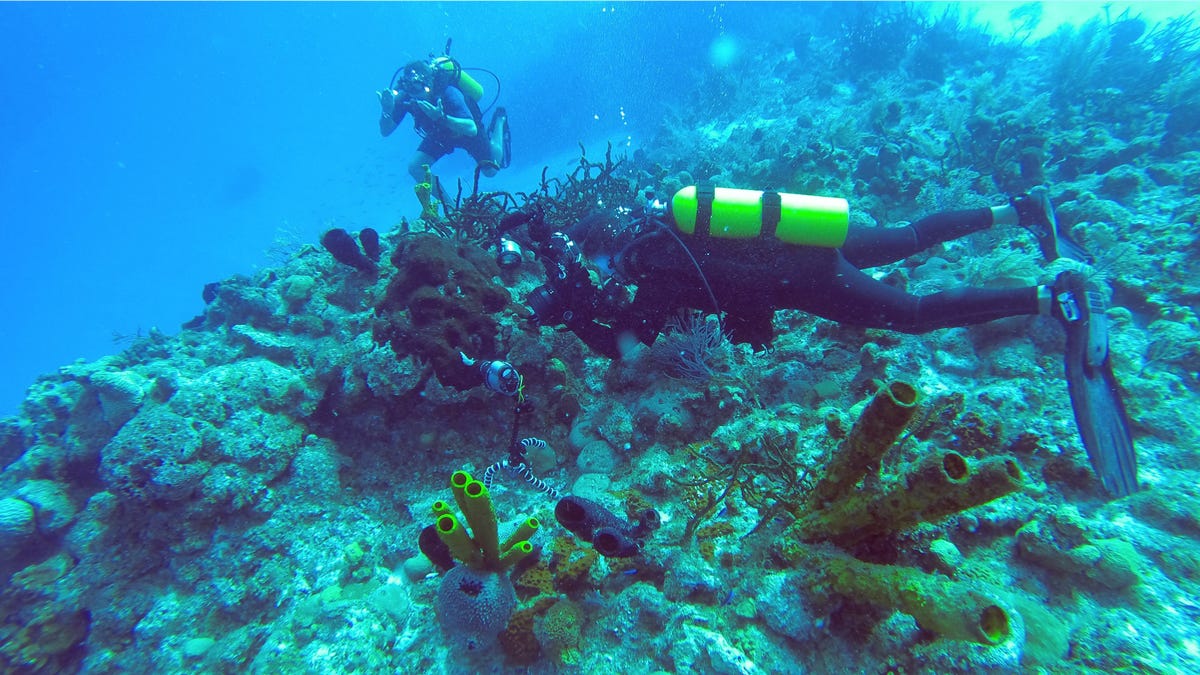
Cardiac events account for roughly 20% to 30% of diving-related deaths. The likelihood increases in older adults, according to the Divers Alert Network, an international nonprofit headquartered in Durham, North Carolina. It’s focused on diver safety and emergency assistance.
“The key medical considerations are — in my opinion, first and foremost — cardiovascular health. Pre-dive cardiac screening is essential,” Dr. Lara Lambiase, a dive medicine specialist, told InDEPTH magazine in Sept. 2025.
SHOVELING SNOW COULD POSE DANGEROUS HEALTH RISK FOR ONE GROUP, EXPERTS WARN
“Aging can also reduce lung elasticity, which may become a critical factor.”
Older travelers are encouraged to schedule a medical evaluation before they go diving. The evaluation should include a cardiovascular assessment and a discussion about pre-existing medical conditions.
“Aging can reduce lung elasticity, which may become a critical factor.”
Many older adults are managing chronic conditions such as heart disease, high blood pressure or pulmonary issues, or take medications that can affect exertion, hydration or breathing.
CLICK HERE FOR MORE LIFESTYLE STORIES
“Remember that you should get in shape to scuba dive,” Dr. Douglas Ebersole, a cardiology consultant for the Divers Alert Network, told the same publication last year. “You should not scuba dive to get in shape.”
Preparation is key — and choosing reputable dive operators is essential, experts say.
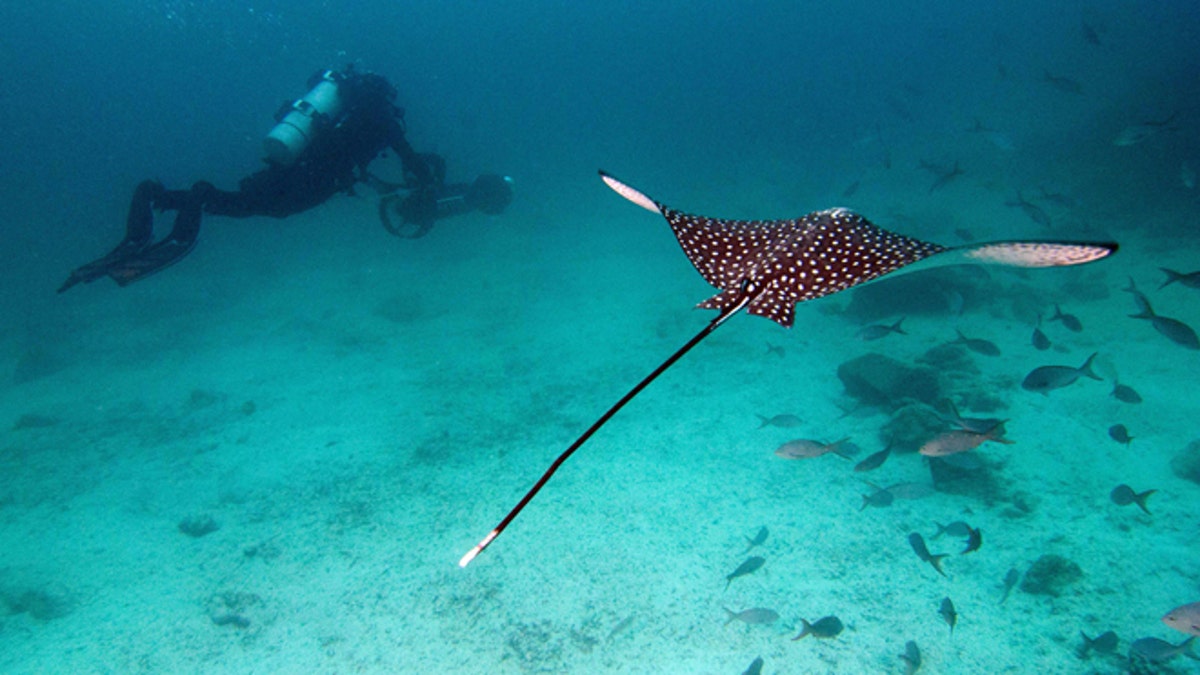
Refresher training can be helpful, even for experienced divers. Reviewing skills such as air management, buoyancy control and emergency procedures can reduce stress and fatigue during dives.
“A major problem is the seasonal diver who returns after six months away and is not ready at all,” Neal W. Pollock, dive physiology researcher, said last year, according to the same source.
TEST YOURSELF WITH OUR LATEST LIFESTYLE QUIZ
“We do not always admit we are slipping — but, over time, we all do.”
Experts recommend staying within conservative depth and time limits, avoiding overexertion and adding rest days.

Staying hydrated and avoiding alcohol before dives can help reduce fatigue and stress, particularly in hot, tropical environments, they also note.
Travelers should ensure dive operators carry oxygen and have emergency protocols.
CLICK HERE TO DOWNLOAD THE FOX NEWS APP
Lastly, experts encourage buddy practices.
They recommend that people stay close to a dive partner and avoid solo dives.
Read the full article here