


NEWYou can now listen to Fox News articles!
Edna Martin was driving her cousin through Seattle in late 1975 when she stepped out to run an errand, leaving him sitting in the car. When she returned, he was no longer inside. A crowd had gathered around him. With his arms outstretched, he spun in place, looked up at the sky and declared, “I’m Ted Bundy.”
The law school student had been arrested a few months earlier in Utah and released on bail. By then, investigators were starting to connect him to a string of abductions and murders. Bundy bore an eerie resemblance to the suspect they had been looking for. The family refused to believe he was their guy.
Martin covered his mouth with her hand and rushed him back into the vehicle. They drove in silence. After a few minutes, she glanced over at him. He was smiling.
BOSTON STRANGLER’S UNHEARD CONFESSION TAPES CAST NEW DOUBT ON ‘AMERICA’S JACK THE RIPPER’: VICTIM’S NEPHEW
Martin’s heart sank. At that moment, she realized the accusations were true. Quietly, she panicked, wondering if she would need to crash the car if he suddenly lunged at her. When they arrived at his house, he stayed silent, calmly stepped out of the car and walked inside. Martin collapsed on her steering wheel and told herself, “He did it.”
“My parents, my brother — we were just saying, ‘This can’t be. It has to be some kind of mistake. They caught the wrong guy,’” Martin, now 74, told Fox News Digital. “Maybe he was in the wrong place at the wrong time.”
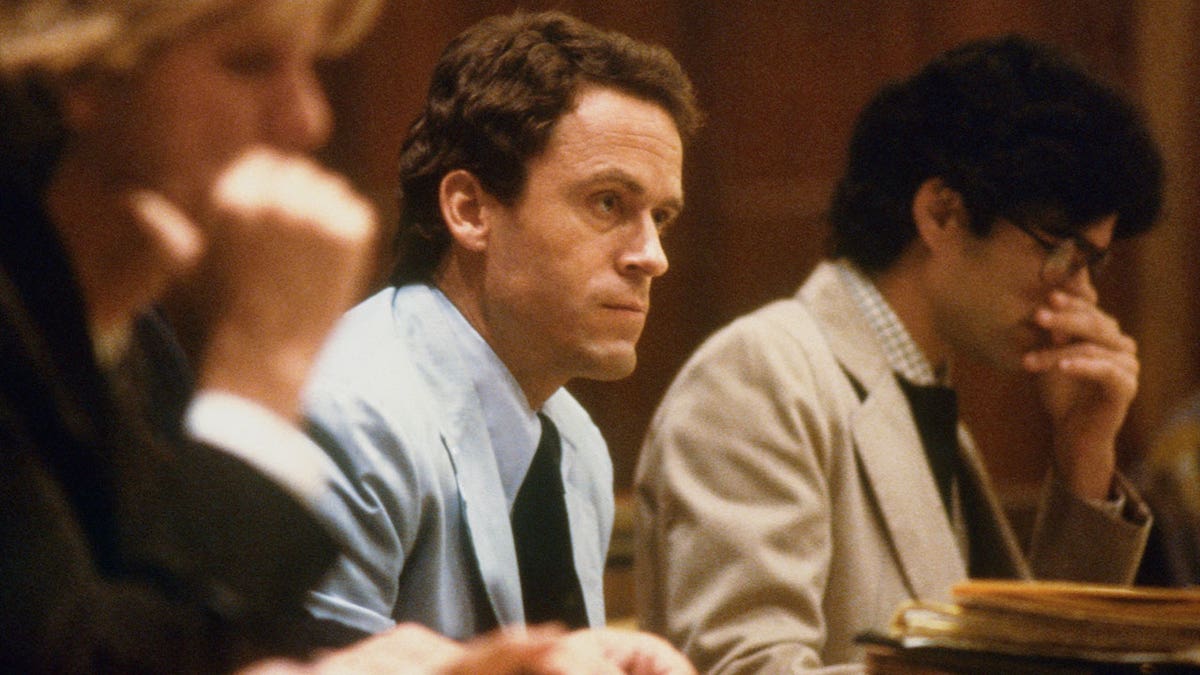
The Washington state insurance broker admitted that her family didn’t want to believe Bundy — once the gentle child who loved fishing and swimming — could commit such horrific acts that would later shock the nation. Again and again, they told each other, “This can’t be.”
WATCH: NEW PHOTOS, AUDIO OF TED BUNDY REVEAL DRAMATIC HUNT TO STOP NOTORIOUS KILLER
“The number one thing I wanted to do was meet up with Ted and hear it from him,” she said. “The Ted I thought I knew was not the Ted who was with me. It was a different person. I went from feeling comfortable to feeling horrified.”
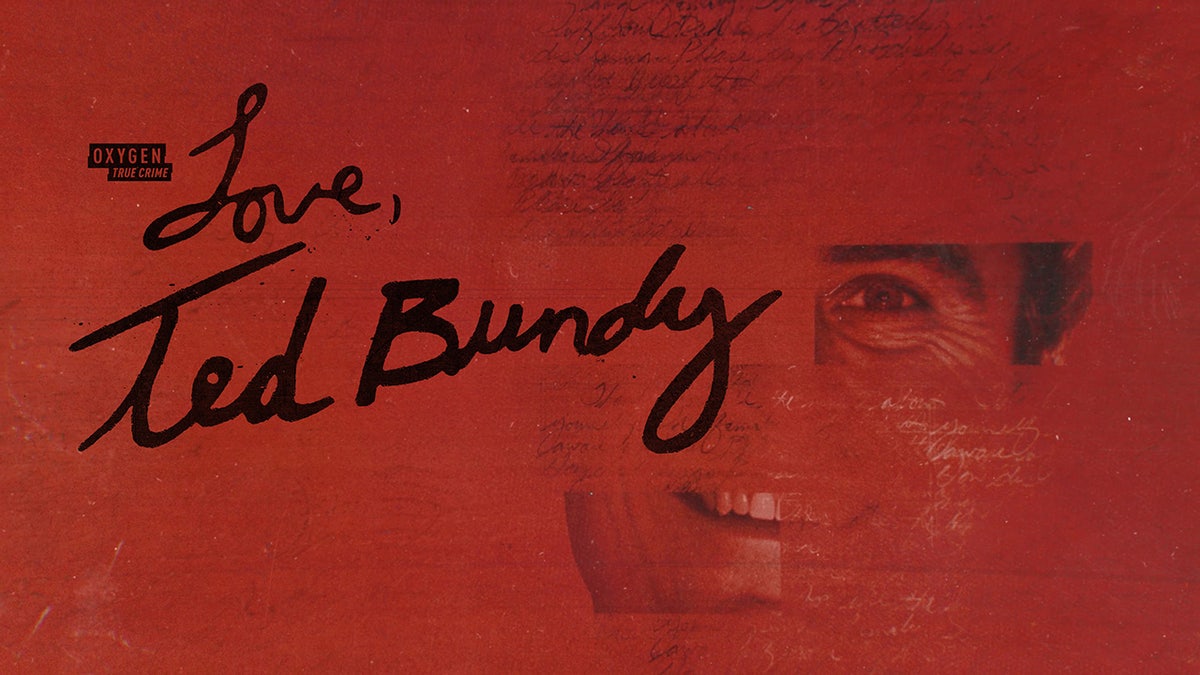
Martin is sharing her story in Oxygen’s new true crime documentary, “Love, Ted Bundy.” The film explores how one of America’s most notorious serial killers formed a close bond with his cousin as a child — a relationship that unraveled into what she calls “an evil person” who haunted her for more than five decades. It also highlights the letters Bundy sent her while he was on death row.
TED BUNDY’S COUSIN REVEALS ‘CHILLING MOMENT’ SHE KNEW HE ‘WAS A MONSTER’
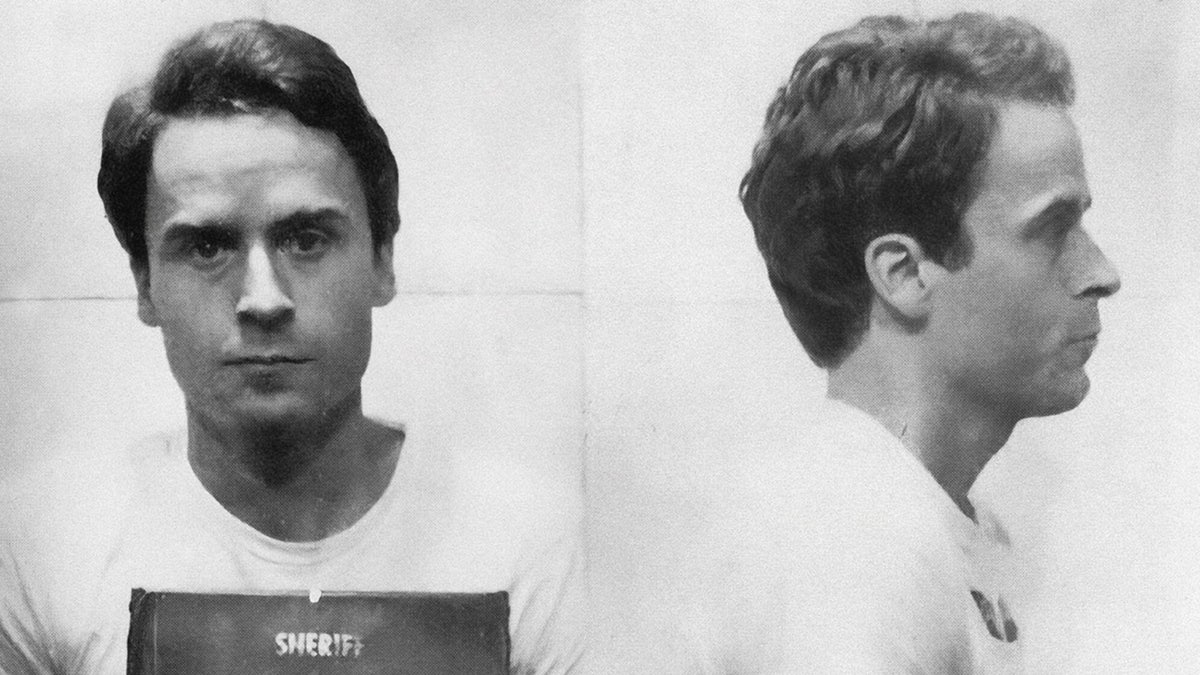
Bundy killed at least 30 women across several states during the 1970s. For Martin, that number is staggering because each victim was someone’s daughter, sister or friend.
“I knew one side of Ted,” Martin said. “He was the guy I hung out with. When I moved back to Washington to finish my junior and senior years at the University of Washington, he lived about five or six minutes away. My parents were happy he was nearby — they thought he could look out for me if I needed anything. I looked up to him as a big-brother figure and someone I could trust, someone I could introduce to my girlfriends.”
“We looked just like the girls he started murdering,” said Martin.
TED BUNDY 50 YEARS LATER: HOW INVESTIGATORS TOOK DOWN INFAMOUS SERIAL KILLER WHO TERRORIZED COUNTRY FOR YEARS
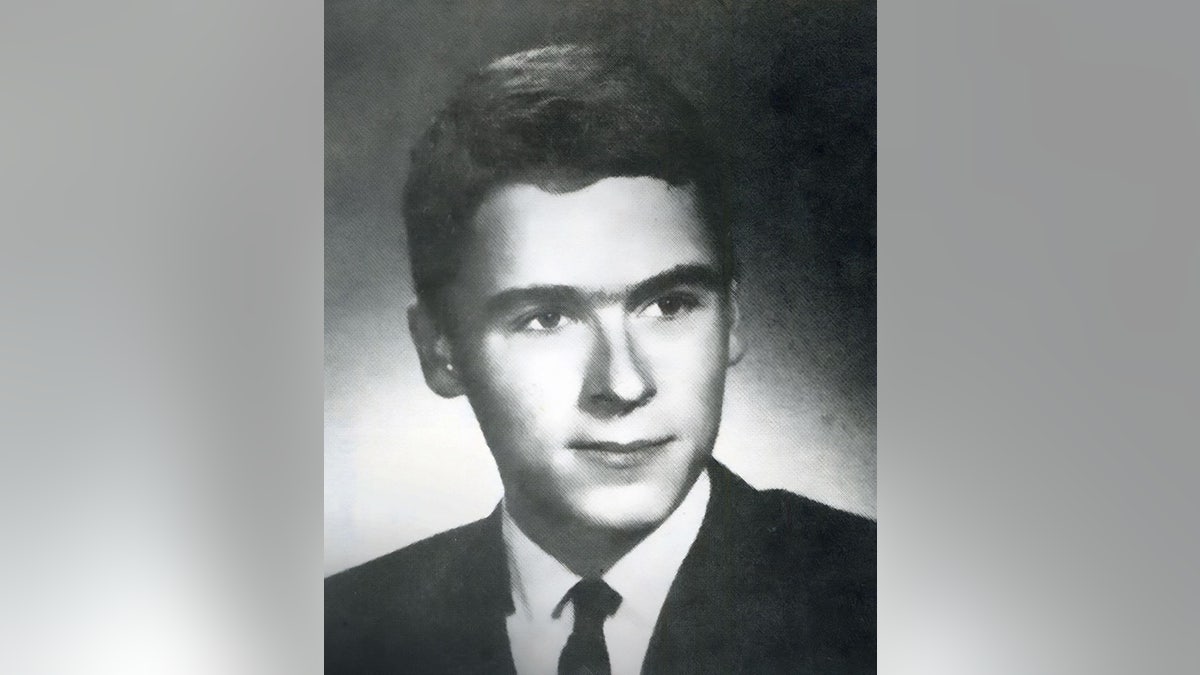
According to Martin, Bundy was five years older than she was. When his family moved to Washington, they lived under the same roof as hers for about a year.
FOLLOW THE FOX TRUE CRIME TEAM ON X
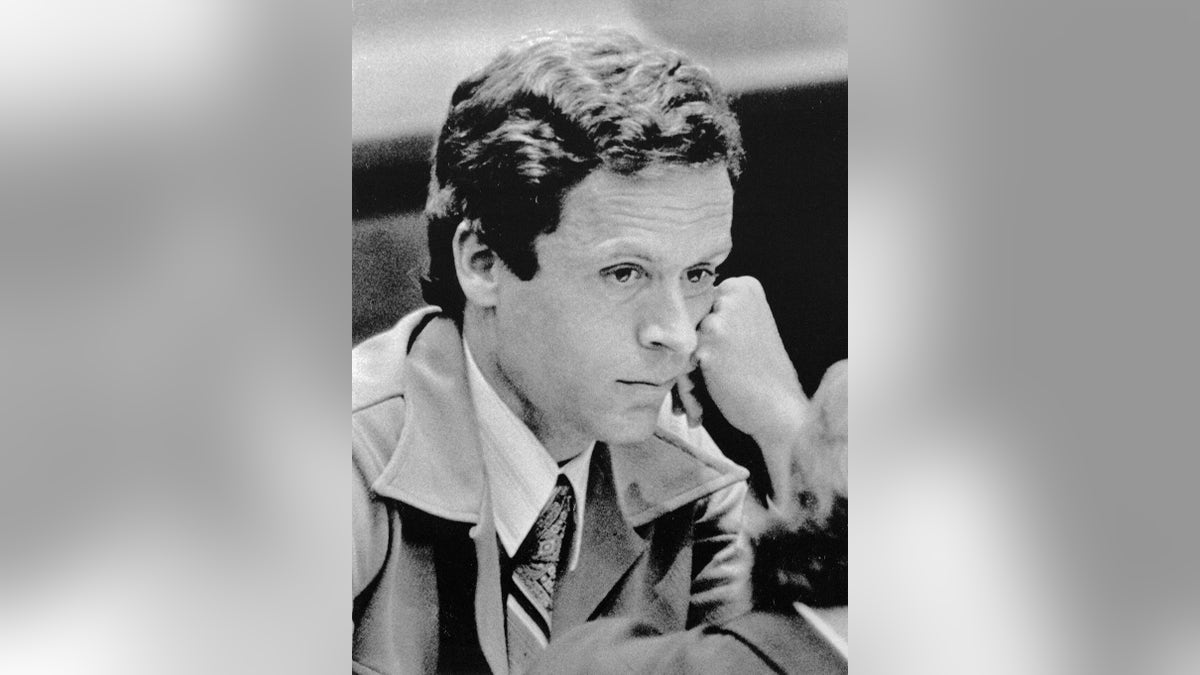
“His mom had him out of wedlock,” Martin explained. “In the mid-1940s, that was a harsh label to live with. People were hard on unwed mothers back then, and my parents wanted to give Louise, his mom, a second chance. So he was part of our family from the very beginning.”
“He was always very nice to me,” she said. “He always took time to talk to me. He seemed normal — outgoing — and my parents loved him.”
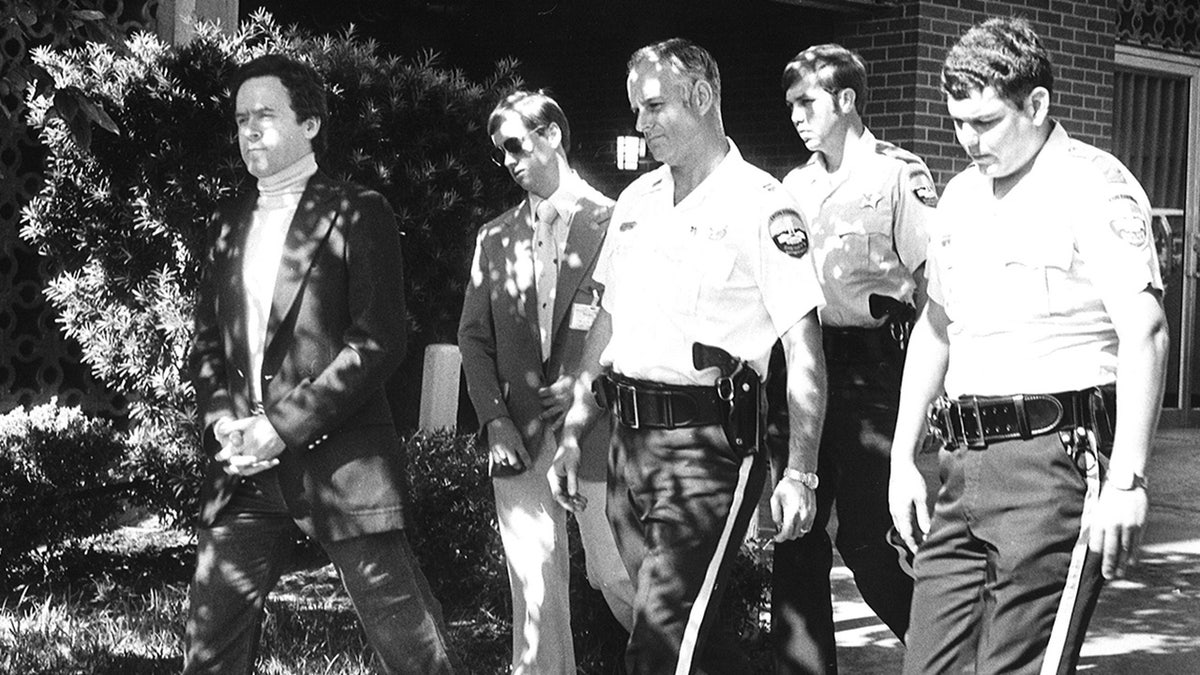
Looking back, Martin said she witnessed moments of Bundy’s strange behavior that startled her — “as if he transformed in front of me.” Around her friends, his jaw would suddenly clench, and he looked “mean.” His bright blue eyes would turn black. When Martin called out to him, he’d shake his head and smile, as if nothing had happened.

For years, Martin wondered what had gone wrong with Bundy.
“I’ve often speculated about this, and maybe it was because of the times, but his mom would never tell him who his biological father was,” she explained. “It became more and more of an urgency for him to know who he was. I don’t know if it’s because he was detecting things about himself or if he was just needing to know what that connection was on that side of the family.”

“In 1969, he came through to see us on the way to Philadelphia so he could try to research and find out who his dad was,” Martin continued. “I think that had a big effect on him. He never found out, and his mother withheld that information. Maybe she thought she was protecting him, but maybe it had another effect on him.”
SIGN UP TO GET THE TRUE CRIME NEWSLETTER
Still, Martin emphasized that whatever struggles Bundy faced could never justify the lives he destroyed.

From 1972 to 1974, female college students, like Martin, began to disappear, The Seattle Times reported. It frightened her and many others. Four of the missing women were from the same university district where she lived. Lynda Ann Healy, Bundy’s first known victim, vanished in 1974 and was reported to be one of her roommate’s best friends.
Martin stressed she never once believed that Bundy could have a dark side. The documentary shows how she introduced him to her friends, and he charmed them with his cheerful personality. When witnesses described a light-colored Volkswagen Beetle driven by a man calling himself “Ted,” he laughed it off as a case of mistaken identity.
Martin believed him.
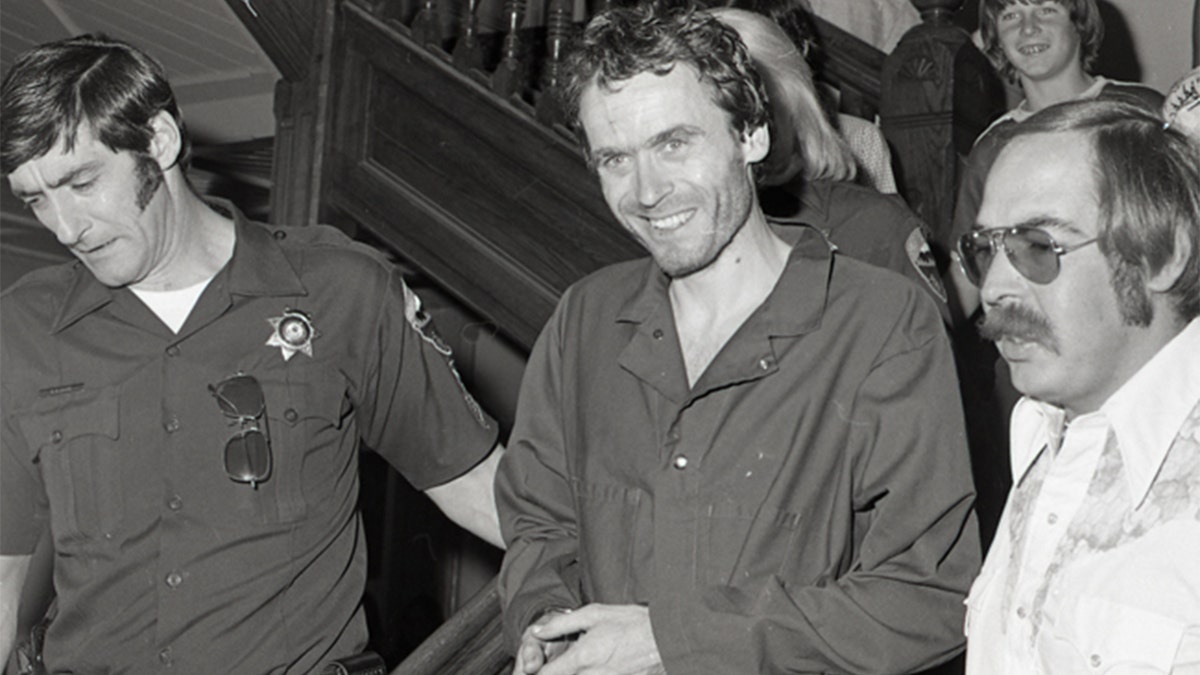
“I remember when I was in Alaska and got a phone call that he’d been arrested,” Martin said. “I just ran [until] I finally felt safe enough to scream it out of my system — because how could that be? Everything I thought I knew about someone was wrong. What it does — and you have to really fight this — is shake your ability to trust anyone. Now, when I look at people, I always wonder what’s behind the façade.”
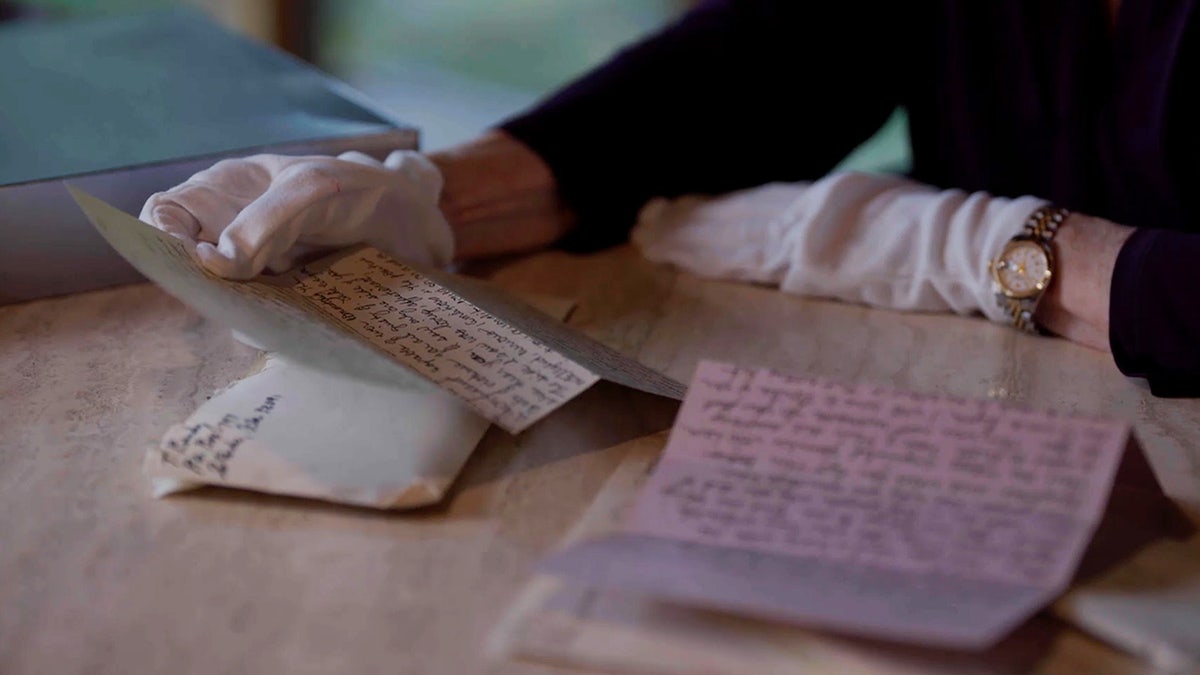
On Dec. 30, 1977, Bundy was being held at the Garfield County Jail in Colorado. He called Martin’s brother and asked which states had the toughest death-penalty laws. His cousin replied, “Most likely Texas or Florida.”
GET REAL-TIME UPDATES DIRECTLY ON THE TRUE CRIME HUB
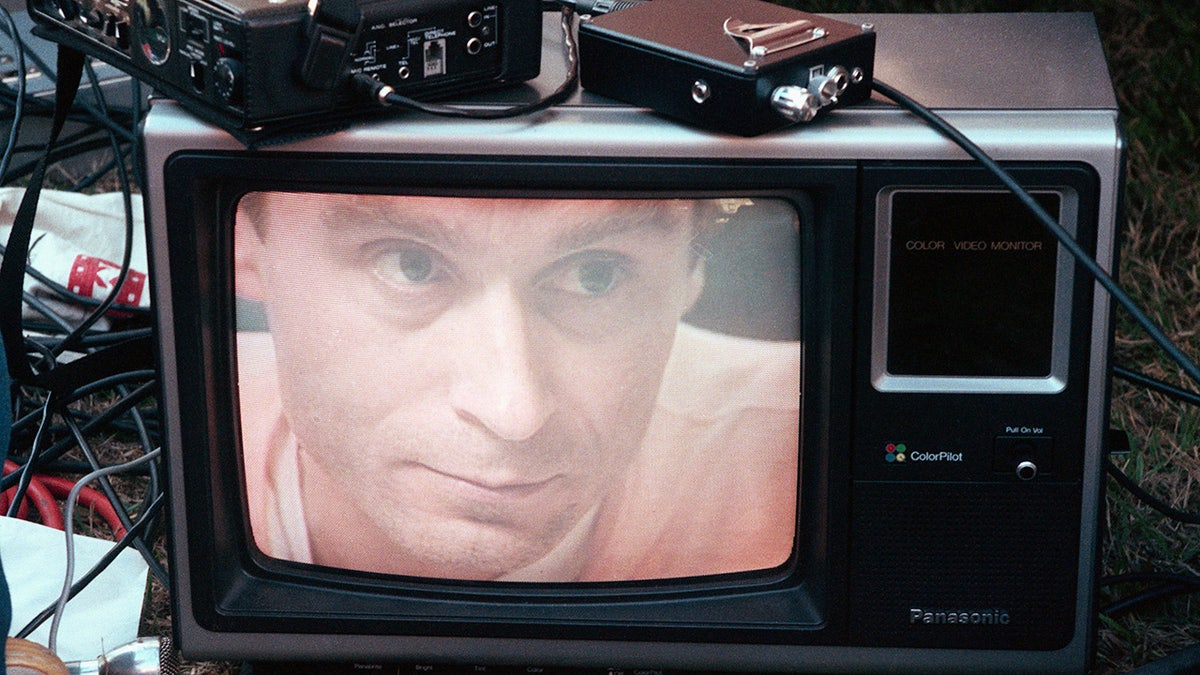
In January 1978, the FBI arrived at Martin’s house. Bundy had escaped. According to the documentary, she wondered if he had “a death wish.” Martin said she’ll never know the answer.
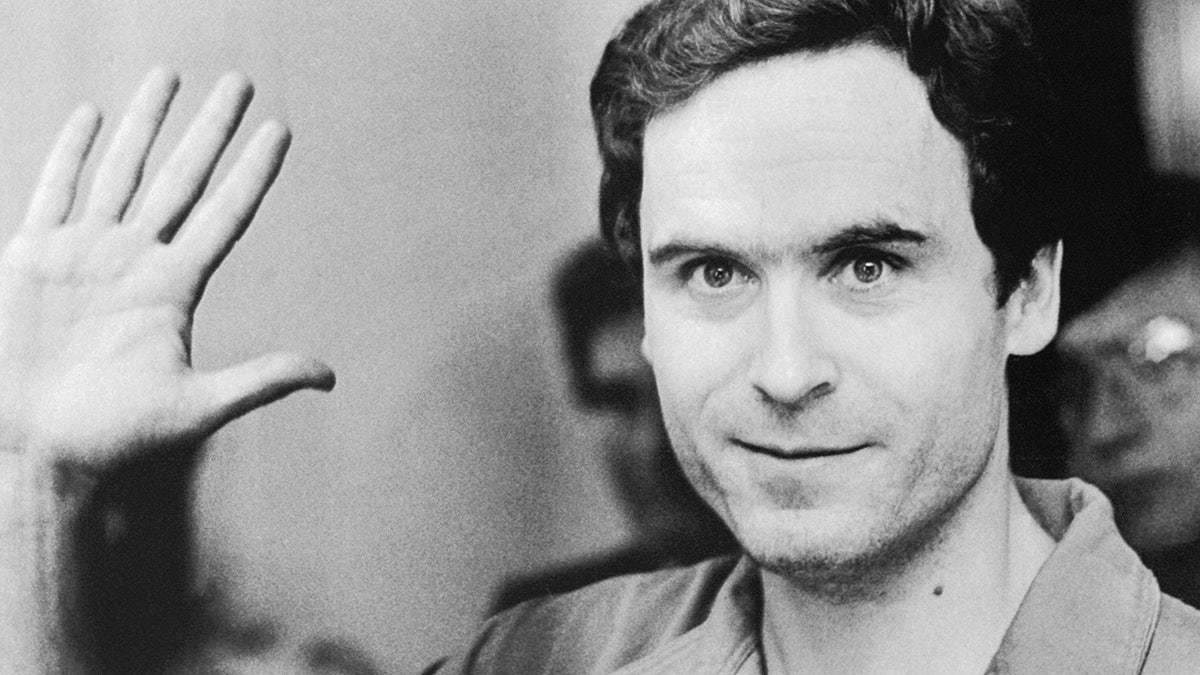
“He may have been drawn to the challenge of being somewhere that carried so much danger,” she told Fox News Digital. “Maybe it was a place where getting caught could mean execution. You can’t help but wonder.”
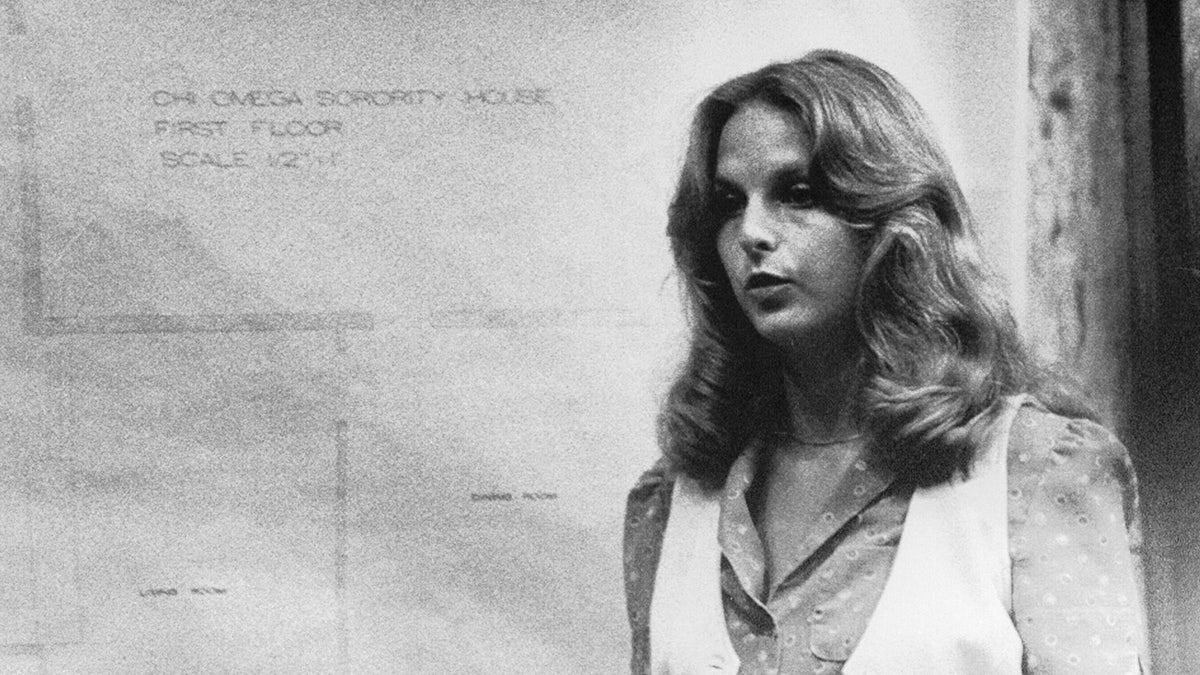
On Jan. 15, 1978, Bundy carried out a gruesome attack in Tallahassee, Florida, killing two Chi Omega sorority sisters and injuring three other women, The Associated Press reported. Less than a month later, he abducted, sexually assaulted and killed a 12-year-old girl named Kimberly Leach in Lake City, Florida, the outlet reported. She was Bundy’s final victim.
WATCH: TED BUNDY SURVIVOR SAYS LIGHT THROUGH BEDROOM WINDOW SAVED HER FROM SERIAL KILLER IN NEW BOOK
On Feb. 15, 1978, Bundy was arrested for the final time. In Florida, he was convicted of murder in 1979 and 1980. He was sentenced to death.
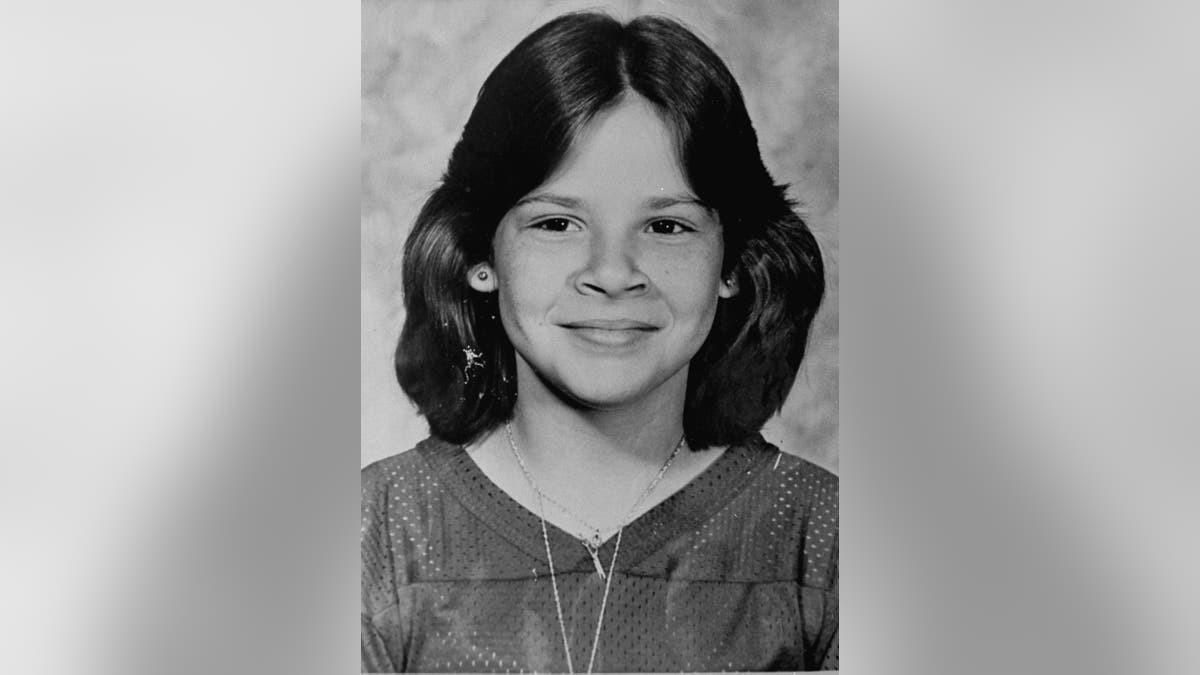
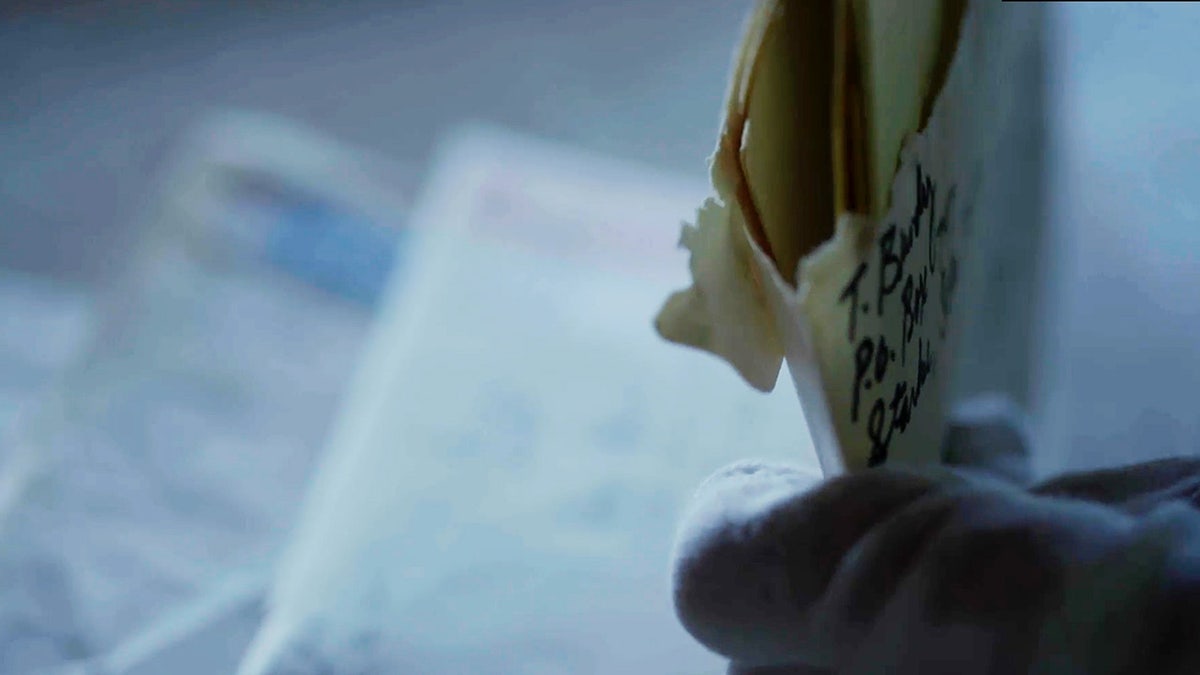
Martin said she wrote to Bundy repeatedly, hoping to understand what had driven him to kill. In her letters, she asked if there were other victims who’d never been identified and urged him to reveal where unrecovered remains might be. Bundy wrote back, but he did not provide her with any answers.
WATCH: TED BUNDY SURVIVORS REVEAL CHILLING PARALLELS BETWEEN BUNDY KILLINGS, IDAHO MURDERS IN FOX NATION SPECIAL
In 1989, Bundy was executed in Florida’s electric chair at age 42. For Martin, his death marked an end — but many questions remained.
CLICK HERE TO DOWNLOAD THE FOX NEWS APP
Decades later, Martin said the experience permanently changed how she views trust.
“I did love that person,” she said. “Is that hard to believe? I didn’t love the evil person. I really cared about the person I knew. All I could remember was the guy I knew. I didn’t know this other guy. … The trauma didn’t go away. And I found out you’re not supposed to bury trauma.”
Oxygen’s “Love, Ted Bundy” airs Feb. 15 at 6 p.m.
Read the full article here