


NEWYou can now listen to Fox News articles!
President Donald Trump on Thursday revealed that what he previously described as a “present” from Iran involved the passage of multiple oil tankers through the Strait of Hormuz, framing it as a sign of progress in ongoing negotiations.
Trump had hinted a day earlier that Iran had offered a significant gesture but declined to provide details at the time.
“They said to show you the fact that we’re real and solid and we’re there — we’re going to let you have eight boats of oil,” Trump said during a Cabinet meeting Thursday, adding that the number of tankers ultimately reached ten. “I said, well, I guess we’re dealing with the right people.”
TRUMP LASHES OUT AT ‘SICK’ IRANIAN LEADERS, CONFIRMS ESTIMATED TIMELINE FOR ENDING WAR
Trump pointed to the tanker movement as evidence that U.S. negotiators are in contact with Iranian counterparts capable of delivering tangible results.
Mounting uncertainty has surrounded Iran’s leadership as joint U.S.-Israeli strikes have killed dozens of senior officials and the country’s new supreme leader, Mojtaba Khamenei, has not been seen publicly.
Khamenei, son of Ali Khamenei who was killed on the first day of strikes, has only issued written or indirect messages. U.S. and allied intelligence assessments suggest he is likely alive, but his condition, location and level of control remain unclear.
Analysts and officials say Iran’s decision-making may now be fragmented across competing power centers, including the Islamic Revolutionary Guard Corps.
Trump framed recent tanker movements through the Strait of Hormuz as a sign that U.S. negotiators are in contact with Iranian counterparts capable of delivering results.
“They said to show you the fact that we’re real and solid and we’re there — we’re going to let you have eight boats of oil,” Trump said, adding that the number of tankers ultimately reached ten.
“I said, well, I guess we’re dealing with the right people,” he said.
Amid that uncertainty, reporting has pointed to Iranian parliament speaker Mohammad Bagher Ghalibaf as a possible interlocutor in backchannel talks. Ghalibaf, a hardline figure with ties to the Islamic Revolutionary Guard Corps, is viewed by some U.S. officials as a potential partner capable of negotiating on behalf of the regime.
However, both Iranian officials and Ghalibaf himself have publicly denied that any talks with Washington are underway, and the White House has not confirmed who, if anyone, is serving as Tehran’s primary point of contact.
Iranian messaging has also been inconsistent. While U.S. officials and Trump have pointed to ongoing discussions, Iranian leaders have publicly denied that negotiations are taking place. At the same time, Iranian officials have acknowledged receiving U.S. messages through intermediaries, underscoring the gap between public statements and behind-the-scenes diplomacy.
The conflicting signals highlight the challenge facing U.S. negotiators as they attempt to identify interlocutors who can both represent Tehran and implement any potential agreement.
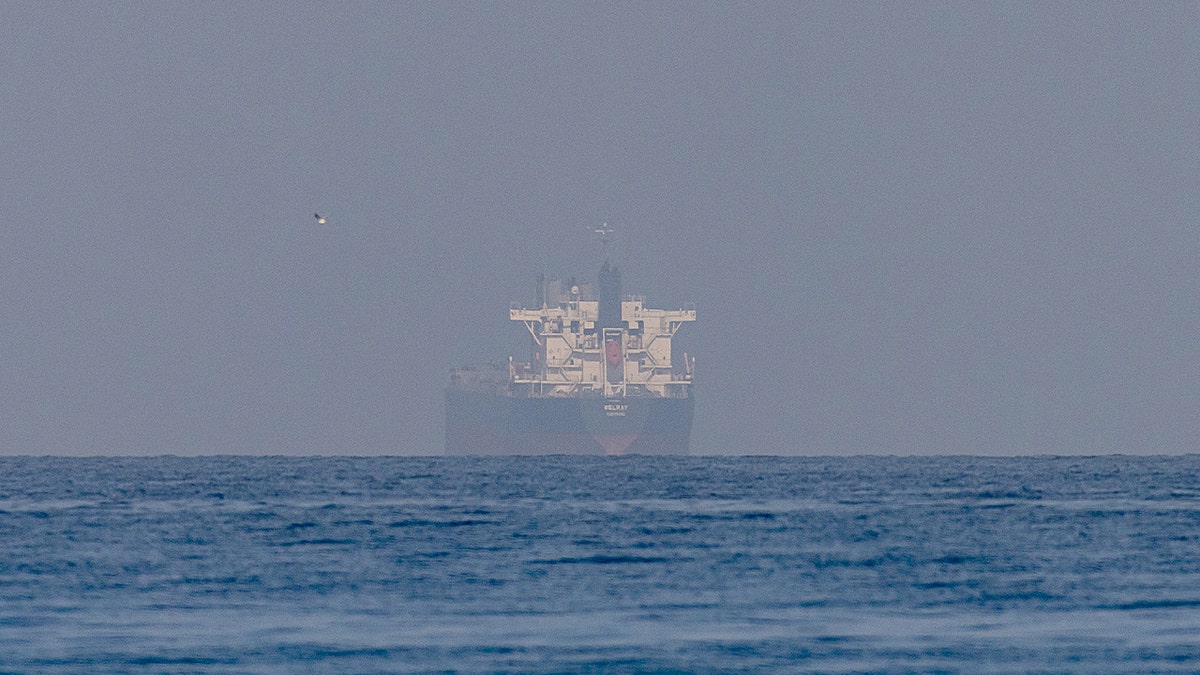
Shipping through the Strait of Hormuz, the choke point for 20% of the world’s oil, has slowed drastically since the start of the U.S. offensive on Feb. 28.
The U.S. is pursuing backchannel talks with Iran even as tensions remain high following recent military strikes and threats of further escalation tied to control of the Strait of Hormuz, a critical global oil choke point.
Iranian Foreign Minister Abbas Araghchi said Wednesday Iran was reviewing a 15-point proposal sent over by the U.S. through Pakistan mediators, but was not negotiating with the U.S.
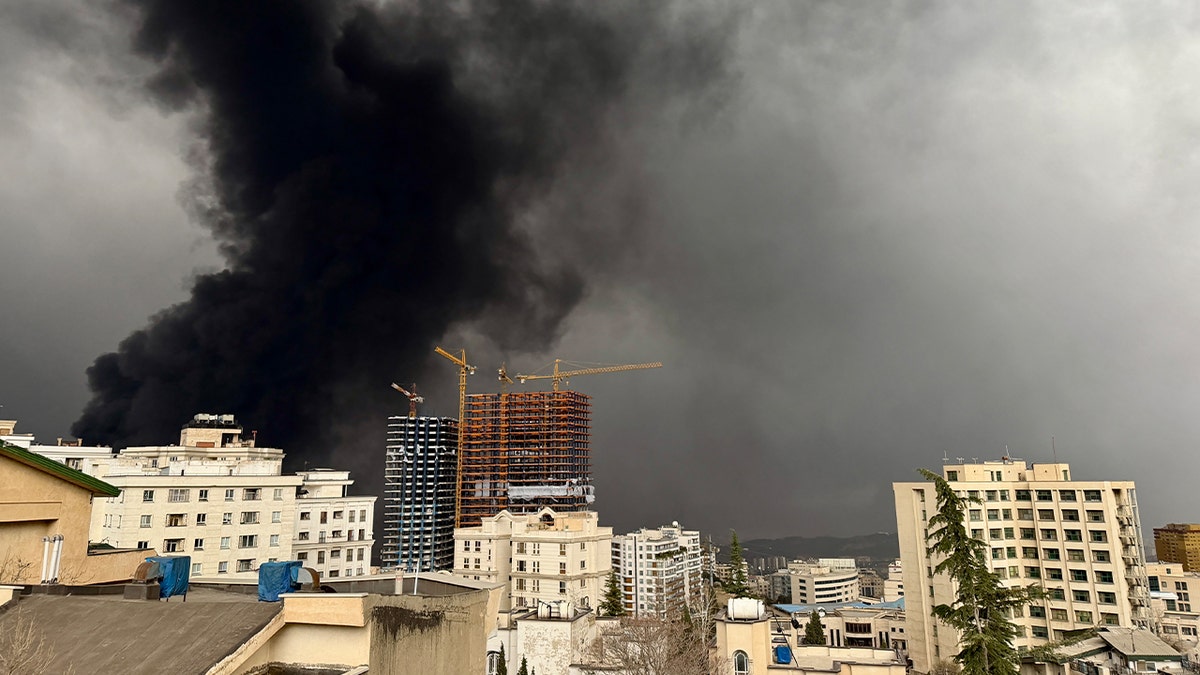
TRUMP TELLS ‘STRANGE’ IRANIAN NEGOTIATORS TO ‘GET SERIOUS SOON’ OR ‘IT WON’T BE PRETTY’
On Monday, Trump gave Iran a five-day deadline before the U.S. would pursue strikes on energy infrastructure if Iran did not show signs of “success” toward mediation. On Thursday, Trump declined to say whether he’d decided on moving forward with strikes.
White House envoy Steve Witkoff said Thursday he had seen “positive signs” after he provided the Pakistani government with the 15-point plan.
CLICK HERE TO DOWNLOAD THE FOX NEWS APP
“We will see where things lead, and if we can convince Iran that this is the inflection point, with no good alternatives for them, other than more death and destruction,” Witkoff said during the Cabinet meeting.
“We have strong signs that this is a possibility, and if a deal happens, it will be great for the country of Iran.”
Read the full article here