



In the rugged, salt-sprayed hills of Malibu and the sun-drenched valleys of Moorpark, the Golden State is losing its luster.
For nearly 80 years, Larry Thorne’s family has watched the Pacific fog roll over fields that feed the community, but today the view is clouded by a different kind of threat — a triple hit of $7-a-gallon diesel, soaring electricity rates and a regulatory environment so suffocating that local farmers are calling it a “master plan” to run the working class out of the state.
As the last farm in a town of million-dollar estates, Thorne faces a breaking point where the region’s Mediterranean climate can no longer offset the reality of Sacramento’s energy agenda.
“The California government has its head in the sand when it comes to energy,” Thorne told Fox News Digital at his farm on a bright, crisp April morning. “Every force in agriculture for the last 40 years, it’s been, ‘Get big or get out.’ And so the people who took on the challenge of just getting bigger and bigger and bigger, a lot of those people are surviving, but the smaller farmer is not.”
OIL PRODUCER ORG SHREDS CALIFORNIA DEM FOR BLAMING IRAN WAR FOR HIS DISTRICT’S GAS PRICES
About a 40-minute drive north of Thorne’s farm lies the 3,000-acre Underwood Family Farms, owned and operated by 83-year-old Navy veteran Craig Underwood. He has spent over half a century coaxing life out of the Ventura County soil, and has seen market crashes and droughts, but he’s never seen a $70 flat of strawberries or a $1,600-per-acre regulatory cost tied to a head of lettuce.
“It seems like every year we cut costs, and we try and get a little bit more money, but every year the costs increase more than we’ve been able to cut them, and the money that we receive is less,” Underwood also told Fox News Digital under the shaded cover of his farm’s educational center. “This is a really tough economic time, very comparable to the 80s when a lot of farmers went out of business and I think a lot of farmers are feeling that pressure right now.”
The men represent a vanishing breed of California farmers. They are the calloused hands behind your grocery cart, now being forced to pay nearly $7 per gallon of diesel fuel and told by a state government to trade their tractors for an electric transition the grid may not support.
“As a younger boy… diesel was five cents a gallon,” Thorne recalled. “In a three-year time frame, between [the] cost of seed, fertilizer, fuel, labor, everything’s gone up at least 25%… Just hauling vegetables to market, it used to cost me about 60 bucks to fill up my pickup truck. Now it’s almost $200 to fill my pickup trucks… What’s really killing the consumer is the cost of fuel to deliver the food to town. It’s adding a huge amount.”
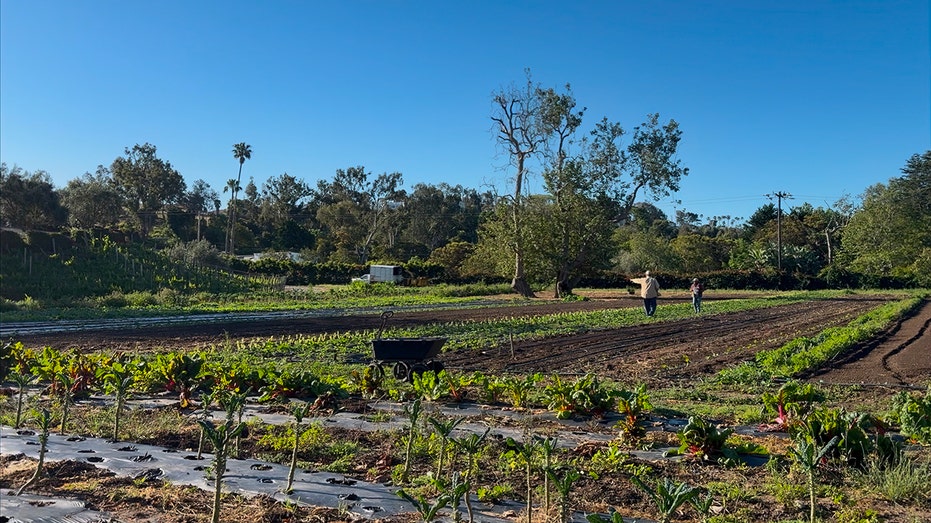
“California is, unquestionably, almost uncompetitive in the way we have to comply with so many different regulations that come down from Sacramento. Our labor costs are high, our fuel costs are higher, there’s a lot of regulation,” Underwood said.
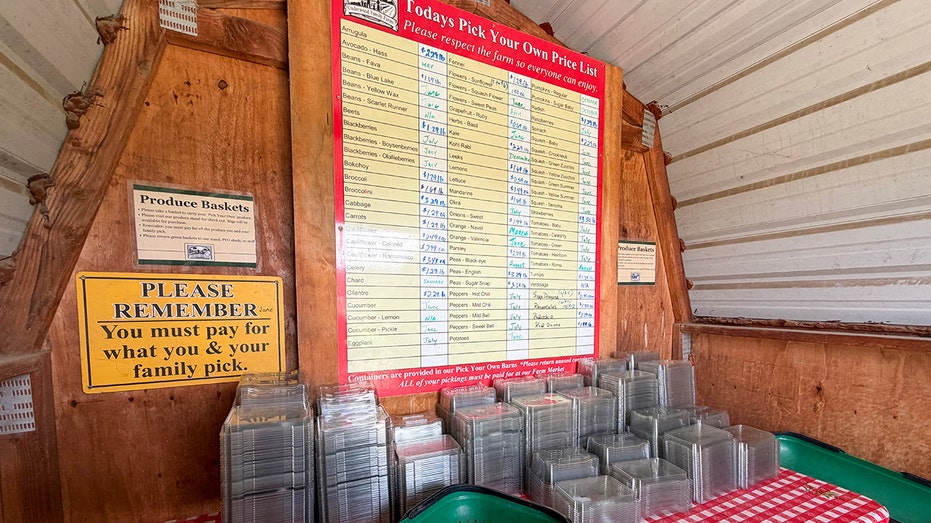
While the two farms are starkly different in the sizes of their operations, the labor of love poured into the land is clear. Thorne spent some time surveying ripe, red strawberries fresh with morning dew before picking a few off their stems — the taste was an explosion of deep, jammy crimson that stained the tongue and filled the senses. Underwood went on a tractor tour showcasing the spring festival events like a giant cornhole, followed by endless fields of you-pick produce options such as cabbage, raspberries, turnips, various types of lettuce, beets, lemons, blackberries and even fresh flowers.
Their passion for their work is unmistakable, but the people who feed America are warning that the grid, the costs and the regulations are designed for “the very richest people,” leaving the average family and small business owners behind.
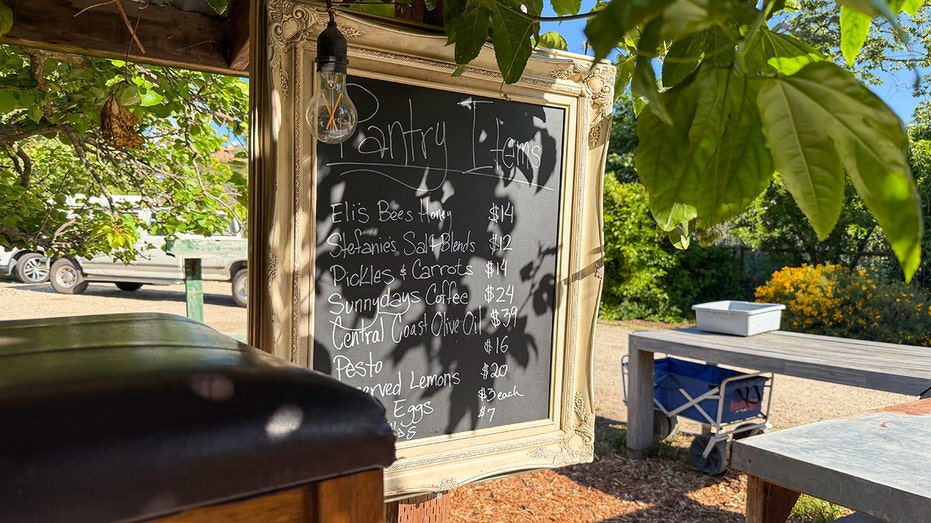
“We don’t have the grid, and we don’t have the power sources to make it happen, and they’re running the oil refineries out of the state at the same time. So, I mean, it sounds like a master plan to reduce the population in California. From 40 million down to 20 million of just the very richest people who can afford the gas prices and the real estate taxes and everything else,” Thorne said. “It sounds like a master plan to run people out of the state to me.”
“Farmers in Ventura County, throughout California, are really suffering from low prices, low demand, our whole export program has been interrupted,” Underwood noted. “There’s a lot of news about the high cost of food, but most of that cost is in transportation because food is moving all over the country. And into that equation there’s cooling, there’s warehousing, there is transportation, and to every head of lettuce that you buy, it’s not just the cost of growing that head of lettuce — it is getting it from the field, harvested and onto the shelf.”
CHEVRON WARNS NEWSOM’S ‘ADVERSARIAL’ ENERGY AGENDA WILL CRIPPLE CALIFORNIA ECONOMY, SEND GAS PRICES SOARING
California gas prices are among the highest in the nation due to a combination of state and local taxes adding about $1 extra per gallon, a Low Carbon Fuel Standard requiring a “clean-burning” fuel blend and limited in-state refinery capacity.
The Golden State has also recently pushed legislation for a 100% electric future by 2035, but last year, the U.S. Senate and President Donald Trump blocked the mandate in a historic vote.
Regulations in California add an estimated $1,600 per acre to the cost of growing lettuce, while farmer margins often sit between $100 and $200, Underwood said. The average age of the American farmer is now between 60 and 67 years old; modern equipment costs range from $70,000 to $350,000 per tractor.
Both farmers said it would be more affordable to run their businesses out of state, but neither has considered leaving their generational history behind.
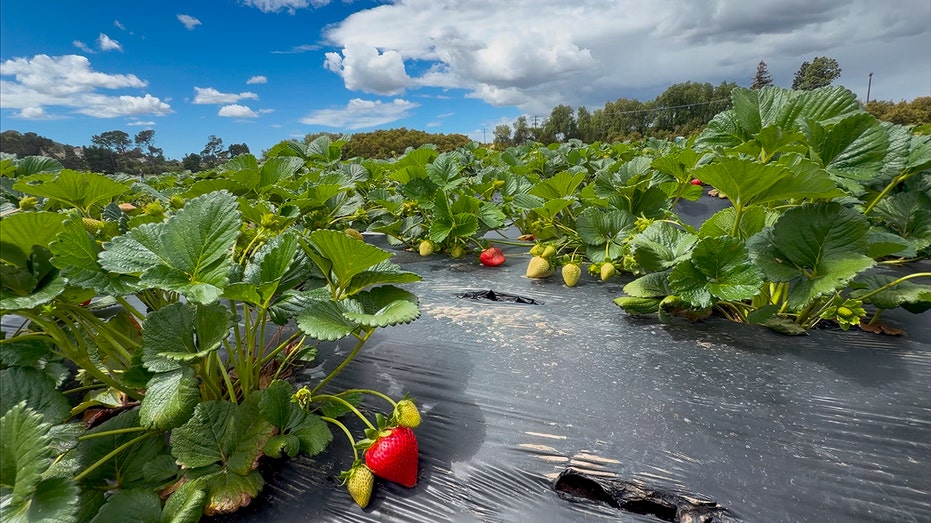
“[It’s] probably 30% cheaper [to operate outside California]… [But] I couldn’t grow what I grow outside of the state. I can’t do this in Nevada. I can’t grow strawberries in Nevada, can’t grow avocados, oranges… We have climate here that hardly anybody else in the world has,” Thorne explained.
“Farming is one of those businesses. It’s a lifestyle as well as a business, and you have to live it and you better like it because it’s tough,” Underwood concurred. “We’ve been through really tough times before so this isn’t something that’s brand new, and I’m guessing that we’ll probably survive this one.”
Gov. Gavin Newsom’s office directed Fox News Digital to the California Energy Commission for comment. In response, a spokesperson said in part: “The price pressures Californians are experiencing at the pump right now are a direct result of global oil market disruption driven by the war in Iran and the effective closure of the Strait of Hormuz, a critical shipping waterway through which roughly 20% of the world’s oil supply flows. Today, the state’s investments in electric vehicle adoption, clean fuels, grid reliability and clean transportation are precisely the tools that insulate consumers from the kind of foreign policy-driven price shocks that Americans are experiencing in every state, regardless of whether they pump oil or have refineries.”
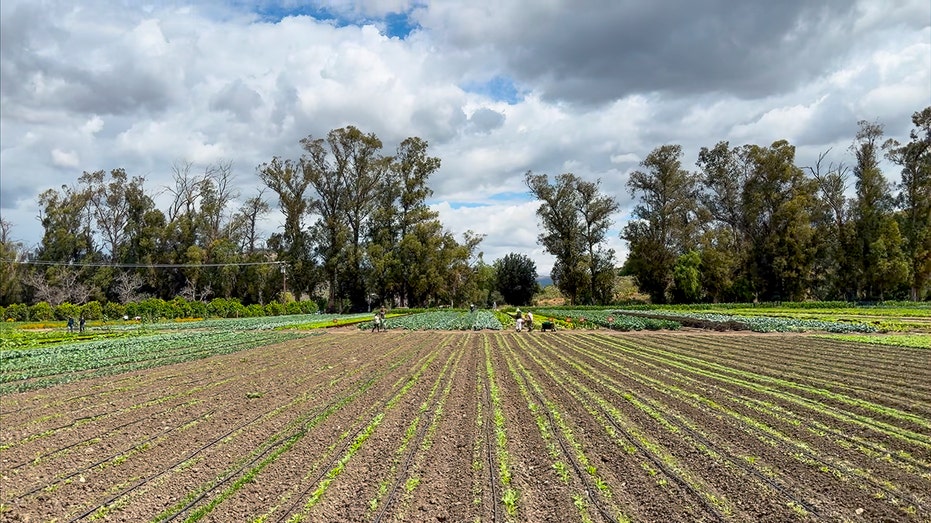
Thorne and Underwood called for a return to what they described as common-sense energy solutions like refineries and nuclear power rather than mandated electrification.
“We need oil refineries, and we need the state of California to back off the energy producers,” Thorne emphasized. “Build refineries and build nuclear reactors, and [do] it as fast as humanly possible.”
“Change needs to come… I would like the state to represent us more than they do Edison and PG&E,” Underwood said, “and it seems like Edison and PG&E always have a seat at the table, and the average business or consumer doesn’t.”
This is Part 1 of Fox News Digital’s series, “Golden State strain: Inside California’s economic nightmare.” Join us for Part 2 where we go man-on-the-street at the most expensive gas pumps in America to hear the voices Sacramento is trying to tune out.
READ MORE FROM FOX BUSINESS
Read the full article here
