


We spend a lot of time negotiating with ourselves.
We’ll start that project next month. We’ll take that trip next year. We’ll get in shape when work slows down. We’ll try something new when life gets a little less busy, a little less stressful, a little more convenient.
But imagine what we could accomplish if we let go of those petty excuses.
Enter Eitan Armon.
CLICK HERE FOR MORE OUTKICK SPORTS COVERAGE
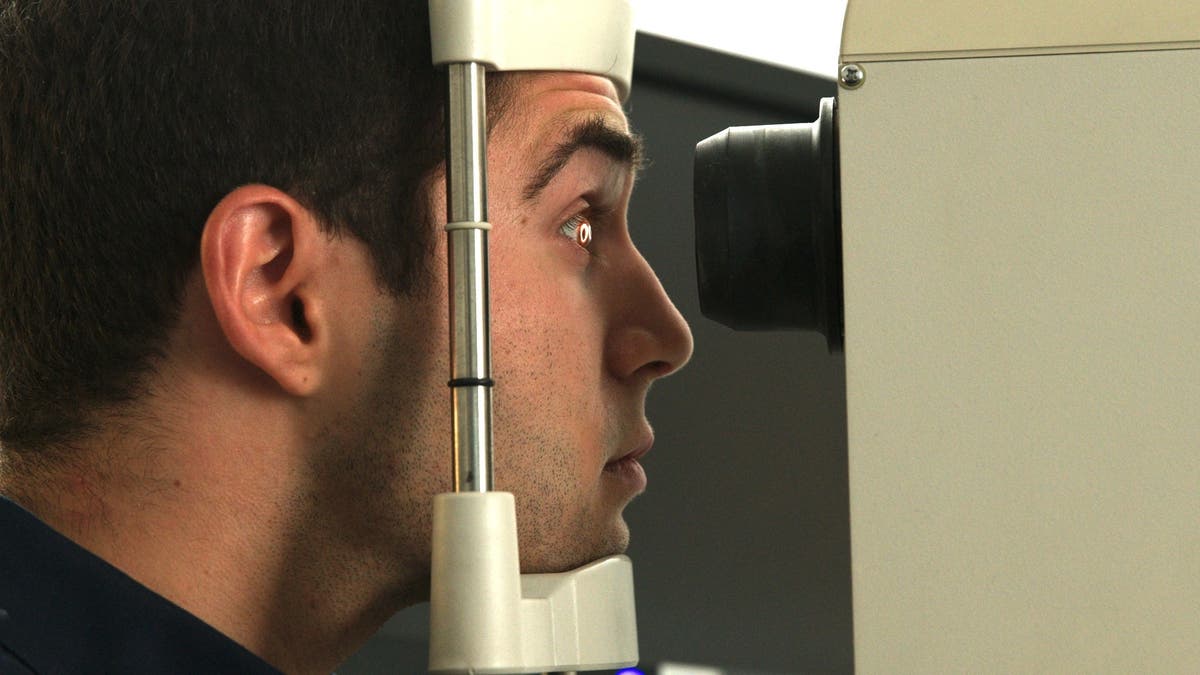
When Eitan was 20 years old, he went to an eye appointment expecting to get glasses. Instead, a doctor walked into the room, looked down at his chart and delivered a life-altering diagnosis.
“So you’re going blind, there’s nothing we can do to help.”
Eitan remembers walking back to his car and crying — not just because of what he was losing, but because of everything he suddenly wasn’t sure he would ever have.
“How would I be a professional? How would I be a husband? How would I be a father?” he recalled during an interview with OutKick Outdoors. “There was definitely a transition period.”
For a while, anger and uncertainty were unavoidable. But eventually, Eitan began asking a different question. Instead of focusing on what was being taken away, he started thinking about the values that mattered most to him: challenging himself, spending time with good people, contributing to something larger than himself and finding adventure wherever he could.
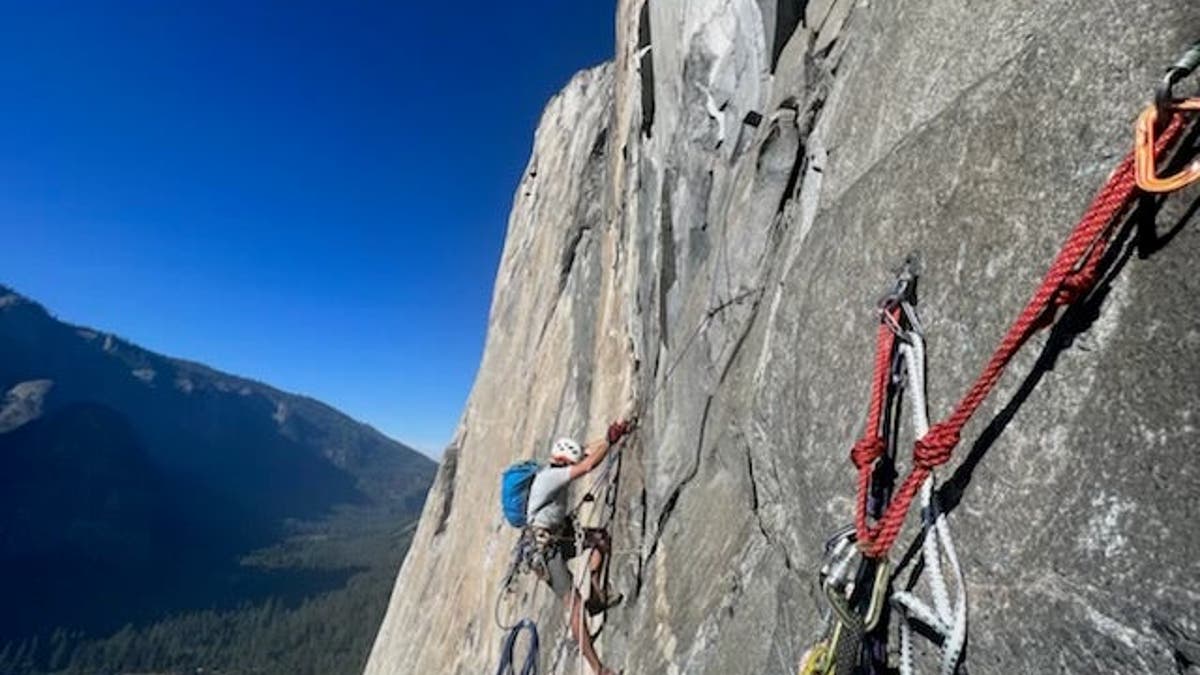
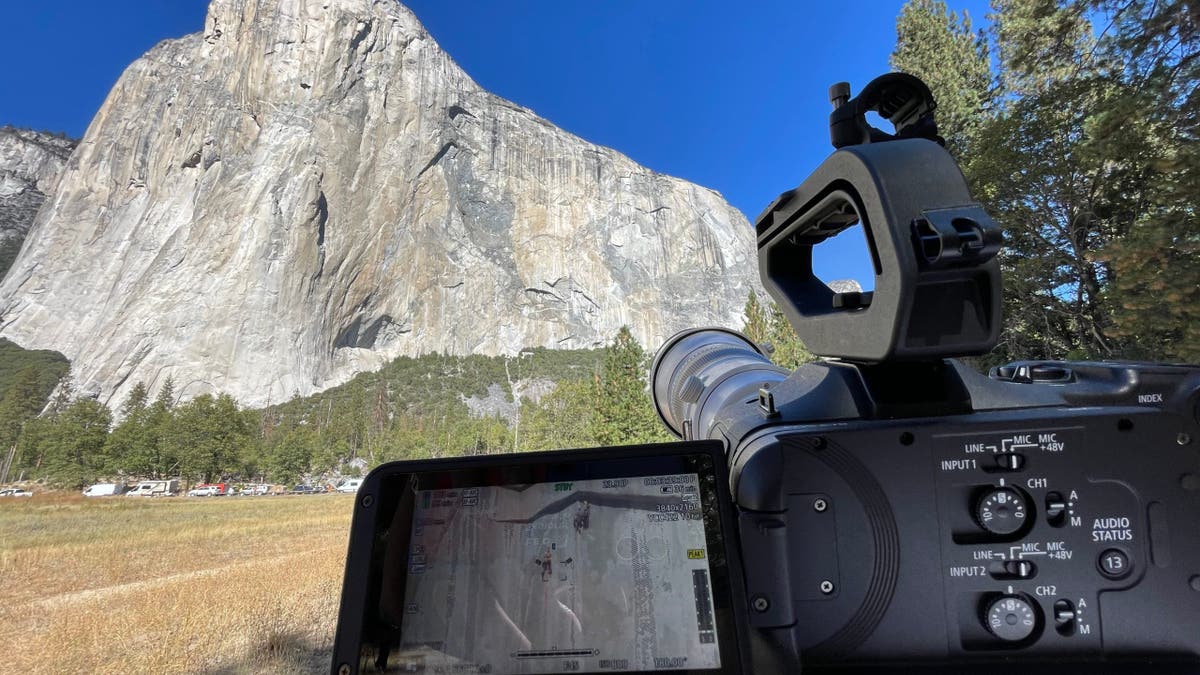
Fast forward a few years, and that mindset led him to Yosemite National Park, where he set out to climb El Capitan — the iconic 3,000-foot granite monolith that looms over Yosemite Valley and serves as the backdrop for the new documentary “Looking Up.”
The feat would be remarkable for anyone. It was even more remarkable for Eitan, who had never attempted anything like it before and was doing so with only about 5% of his vision remaining.
Think of it like looking through a cocktail straw.
“I like being outside. I love skiing and hiking and that kind of stuff,” he said. “There was definitely a trial-and-error process and a training process because I hadn’t done something like this before.”
The climb required far more than physical preparation. Eitan and his team developed systems that would allow him to safely navigate the wall despite having only about 5% of his vision remaining. Pieces of equipment were marked with textured tape so he could identify them by touch. Every detail was considered.
What surprised him most wasn’t the danger.
In fact, Eitan joked that one of the biggest challenges was learning how to relieve himself on the side of a mountain.
“Definitely going to the bathroom on the wall by far,” he laughed when asked about the steepest learning curve.
Watch Eitan Armon’s full interview with OutKick Outdoors here:
As for the fear factor? Well, being nearly blind may have actually helped.
“A lot of times when people ask me about the climb, they want to know, ‘Were you scared?'” Eitan said. “I think not being able to see actually is an advantage from that perspective because if you can’t see how far you’re going to fall, then there’s actually less to be concerned about.”
That doesn’t mean there weren’t moments when reality set in.
On the second day of the climb, Eitan found himself suspended high above Yosemite Valley, needing to unclip a piece of gear before moving to the next anchor point.
“My heart was racing very, very fast,” he said. “I had to go, ‘Okay, I’m going to trust the system. I’m going to trust the gear. I’m going to trust myself.'”
He took a breath and kept climbing.
That ability to acknowledge difficulty without surrendering to it seems to define Eitan’s approach to life.
One of the most powerful moments in the documentary “Looking Up” comes when Eitan says that sitting around waiting for something to change shows a lack of appreciation for what he already has. It’s a philosophy that sounds simple, but one he admits took years to develop.
“I think initially there was some anger and there was some regret,” he said. “But understanding that there were still ways that I could find things that I was passionate about … it means that I have a lot in my day-to-day to be grateful for.”
HIKING ETIQUETTE RULES THAT SHOULD BE COMMON SENSE BUT APPARENTLY NEED TO BE SPELLED OUT
That doesn’t mean he’s positive all the time.
Nearly a decade after his diagnosis, there are still moments that sting. He misses details while watching sports. He occasionally trips over things or breaks something around the house because he didn’t see it.
“When those things happen, it stinks,” he said. “When something hard happens, it’s important to say, ‘This is hard, and this is challenging.’ And then also to recognize that hard and challenging things are part of life. Everyone has limitations. This happens to be mine.”
What separates Eitan isn’t that he never gets frustrated. It’s that he doesn’t stay there.
During filming, director Elena Neuman found herself struck not only by Eitan’s resilience but also by the way he navigates the world. In one scene, the crew drives into Yosemite, where towering granite walls and sweeping vistas leave most visitors speechless.
Eitan couldn’t fully see it.
“I said to him off camera, ‘It makes me sad that you can’t see this,'” Elena recalled.
His response has stuck with her ever since: “Don’t be sad. I can imagine it.”
Maybe that’s the lesson.
Not that we should all go climb El Capitan, of course. Most of us probably shouldn’t.
The mountain was never really the point.
CLICK HERE TO DOWNLOAD THE FOX NEWS APP
The point is that life rarely unfolds the way we planned it. Sometimes the future we imagined for ourselves disappears. Sometimes doors close. Sometimes our limitations arrive uninvited.
Eitan’s gift isn’t that he learned how to ignore those realities. It’s that he learned how to embrace them and keep moving anyway.
“Focus on what you can control, and let go of what you cannot.”
Love all things adventure and outdoors? Follow OutKick Outdoors on Instagram and TikTok!
Read the full article here
