



NEWYou can now listen to Fox News articles!
Just about every day, we receive emails from readers who have encountered new scams. Many involve cryptocurrency. The pattern keeps repeating. Someone receives a message that feels urgent, emotional or exciting. The person on the other end sounds confident and persuasive. Before long, the victim is being asked to send money through cryptocurrency. Once the money is sent, it often disappears forever.
Cryptocurrency appeals to scammers for a simple reason. Transactions move quickly, often cross international borders and usually cannot be reversed once completed. That combination makes crypto payments especially attractive to criminals.
Kate recently wrote to us with a great question.
“Could you do an article that illustrates the scripts used by scammers to lure people to send money using cryptocurrency. Those scripts must be very convincing to get so many reasonably intelligent people to send money. Maybe five or six examples of the scripts, so people, especially seniors, will know what to watch out for.”
Kate is absolutely right. These scripts are convincing because scammers practice them constantly. They use psychology, urgency and emotion to push people toward quick decisions.
FAKE GOOGLE GEMINI AI PUSHES ‘GOOGLE COIN’ CRYPTO SCAM
Let’s break down some of the most common crypto scam scripts, so you know what they sound like before they reach your inbox or phone.
Sign up for my FREE CyberGuy Report
- Get my best tech tips, urgent security alerts and exclusive deals delivered straight to your inbox.
- For simple, real-world ways to spot scams early and stay protected, visit CyberGuy.com – trusted by millions who watch CyberGuy on TV daily.
- Plus, you’ll get instant access to my Ultimate Scam Survival Guide free when you join.
The investment opportunity script
This script often begins with a friendly introduction through social media, email or even a text message.
Example script:
“Hi, I work with a private investment group that trades cryptocurrency. We’ve helped many people earn steady returns. If you invest $500 today, you could earn $5,000 within weeks. I can show you proof of other investors’ success.”
The scammer may send fake screenshots of profits. Some will even allow a small withdrawal early on to build trust. Eventually, they push the victim to send larger deposits. Once the larger transfer is sent, the account suddenly stops responding.
The romance crypto script
This scam often starts with a simple message on a dating app, Facebook or Instagram. The first contact is friendly and low-pressure.
Example initial script:
“Hi, insert name here, I hope you don’t mind me saying hello. Your profile caught my attention, and you seem like a very kind person. How has your day been?”
After a few days of conversation, the scammer begins sharing details about their life. They often claim to work overseas as an engineer, doctor or business owner. Eventually, they mention cryptocurrency trading as something they do on the side.
Later message in the script:
“I have been doing some short-term crypto trading after work. It has helped me save a lot faster. If you are interested, I can show you the platform I use. It is very easy to start with a small amount.”
From there, the scammer guides the victim to a fake trading site or asks them to transfer cryptocurrency to a wallet they control. At first, the account may show fake profits. The victim believes the investment is working and sends more money. Eventually, the victim cannot withdraw any money.
MALICIOUS MAC EXTENSIONS STEAL CRYPTO WALLETS AND PASSWORDS

The government impersonation script
Scammers often pretend to represent government agencies or law enforcement.
Example script:
“This is an urgent notice regarding your tax account. Your Social Security number has been linked to suspicious activity. To prevent legal action, you must verify your identity and pay the outstanding balance today using cryptocurrency.”
Government agencies do not demand payment through cryptocurrency. The goal is to scare you into acting quickly without checking the facts.
The tech support emergency script
This scam often begins with a pop-up warning or an unexpected phone call.
Example script:
“Your computer has been compromised by hackers. Your bank information may be at risk. To secure your system, we need you to transfer funds temporarily into a protected cryptocurrency wallet.“
The scammer claims the funds will be returned once the system is secure. In reality, the transfer moves the money directly to the criminal.
The crypto giveaway script
This scam frequently appears on social media or video platforms.
Example script:
“We are celebrating a new crypto launch. Send 0.1 Bitcoin to this wallet, and we will immediately send back double the amount.”
The message may appear to come from a well-known company or public figure. The wallet address belongs to the scammer. Anyone who sends funds receives nothing in return.
The fake recovery service script
This scam targets people who have already lost money.
Example script:
“We specialize in recovering stolen cryptocurrency. Our investigators located the wallet that received your funds. To begin the recovery process, we require a small crypto payment to unlock the legal tracing tools.”
The victim believes they are hiring professionals to recover their money. Instead, they are being scammed again.
Why these scripts work so well
These scams succeed because they exploit human behavior. First, they create urgency. Victims feel pressured to act quickly.
Second, they create trust. The scammer may sound friendly or sympathetic.
Third, they promise rewards. Investment scams offer profits that feel life-changing.
Finally, cryptocurrency adds confusion. Many people are still learning how it works. Criminals take advantage of that uncertainty.
Understanding these scripts is the first step to protecting yourself. Once you recognize the patterns scammers use, it becomes much easier to stop the conversation before money is involved.
How to protect yourself from crypto scams
Crypto scammers rely on urgency, trust and confusion to pressure victims into sending money. These practical steps can help you recognize warning signs and avoid costly mistakes.
1 CLICK COST A FATHER $4 MILLION IN BITCOIN TO VISHING SCAMMERS
1) Slow down when money is involved
Scammers depend on urgency to push victims into fast decisions. If someone pressures you to send money immediately, treat it as a warning sign. Pause the conversation and verify the situation independently. Contact the company, agency or person through a known phone number or official website. Taking even a few minutes to step back can stop a scam before money leaves your account.
2) Never send cryptocurrency to someone you do not know
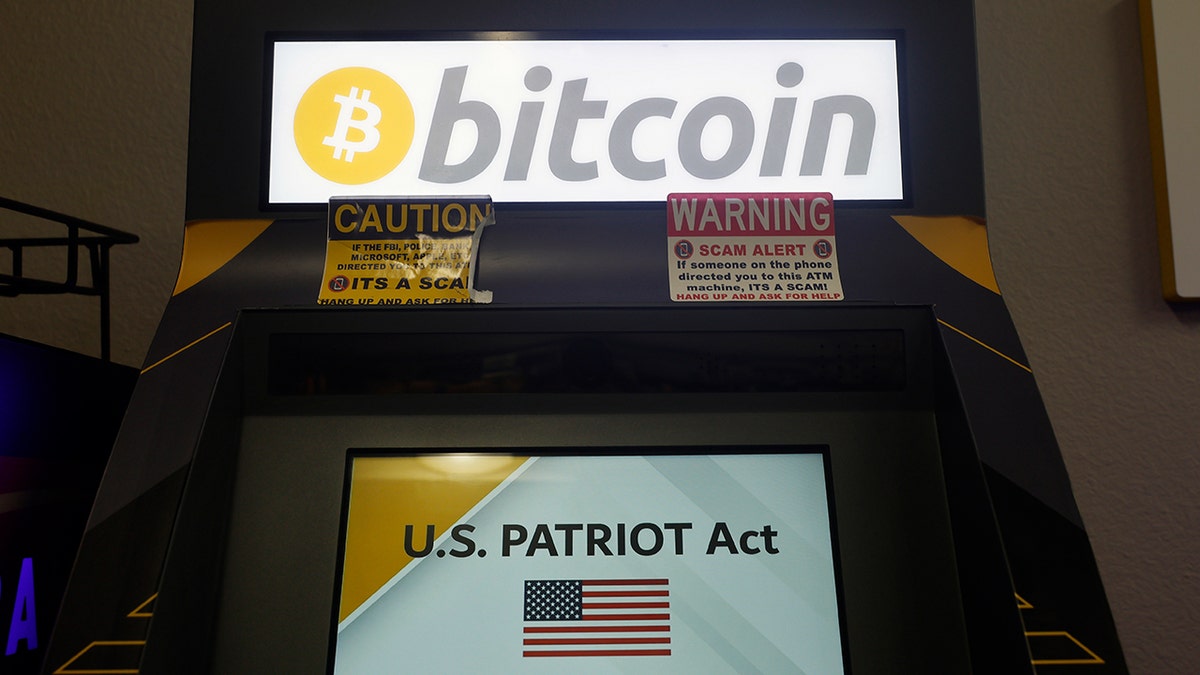
Cryptocurrency transactions work very differently from credit cards or bank transfers. Once funds are sent, they usually cannot be reversed. Scammers prefer crypto because it moves quickly and often crosses international borders. If someone asks for payment through Bitcoin, Ethereum or another digital currency, assume the request is suspicious until proven otherwise.
3) Verify investment opportunities independently
Many crypto scams promise fast profits or guaranteed returns. Legitimate investments never guarantee profits. Before investing, search the company name, website and contact information online. Look for warnings from regulators or consumer protection agencies. If you cannot find reliable information about the company, that is a major red flag.
4) Use strong antivirus software on your devices
Scammers frequently use phishing links, fake websites and malicious downloads to trick victims. Strong antivirus software can help detect these threats before they cause damage. Strong antivirus software can warn you about suspicious websites, block malicious downloads and help stop phishing attempts that try to steal your financial information. Get my picks for the best 2026 antivirus protection winners for your Windows, Mac, Android and iOS devices at Cyberguy.com.
5) Reduce the personal information scammers can find online
Scammers often research their targets before sending messages. They may gather details from public records, social media or data broker websites. Limiting the amount of personal information available online can make it harder for criminals to craft convincing messages. Removing your data from people search sites with a data removal service can reduce the chances of becoming a target. Check out my top picks for data removal services and get a free scan to find out if your personal information is already out on the web by visiting Cyberguy.com.
6) Be cautious with online relationships
Romance scams often begin with friendly messages on dating apps or social media. Over time, the scammer builds trust and eventually introduces a crypto investment opportunity. If someone you have never met begins discussing cryptocurrency investments or asks you to move money, take a step back. Real relationships do not require financial transfers to strangers.
7) Never trust screenshots or profit dashboards
Crypto scammers often show screenshots of trading accounts that appear to generate large profits. These images are easy to fake or are displayed on fraudulent websites controlled by the scammer. Even if a platform shows profits, it does not mean the money exists. If you cannot withdraw funds easily through a verified exchange, the investment may be fake.
8) Watch for requests to move conversations off the platform
Many scams begin on social media, dating apps or messaging platforms. After the first contact, scammers often ask victims to continue the conversation on WhatsApp, Telegram or another private messaging app. Moving the conversation helps them avoid detection by the original platform. If someone quickly asks you to switch apps, treat it as a warning sign.
9) Talk to someone you trust before sending money
Scammers often isolate their victims and discourage them from discussing the situation with friends or family. Before sending cryptocurrency or making a large investment, pause and talk to someone you trust. A second opinion can often spot warning signs that are easy to miss when emotions are involved.
What to do if you already sent cryptocurrency to a scammer
If you believe you sent cryptocurrency to a scammer, act quickly. Contact the exchange or platform you used to send the funds and report the transaction immediately. Some exchanges may be able to flag the receiving wallet and help investigators track suspicious activity.
You should also report the scam to the FTC at reportfraud.ftc.gov and notify your local law enforcement agency. If the scam began on a social media site, dating app or messaging platform, report the account there as well so it can be investigated and removed.
While recovering funds can be difficult, reporting the incident can help authorities identify larger fraud networks and potentially prevent others from becoming victims.
Kurt’s key takeaways
Cryptocurrency scams continue to grow because the scripts are polished and carefully tested. The criminals behind them understand human psychology. They know when to apply pressure, when to build trust and when to promise rewards. Recognizing these patterns is one of the most powerful ways to stop them. When you know the script, the scam becomes much easier to spot.
Have you ever received a message that tried to convince you to send cryptocurrency, and did the script almost sound believable? Let us know by writing to us at Cyberguy.com.
CLICK HERE TO DOWNLOAD THE FOX NEWS APP
Sign up for my FREE CyberGuy Report
- Get my best tech tips, urgent security alerts and exclusive deals delivered straight to your inbox.
- For simple, real-world ways to spot scams early and stay protected, visit CyberGuy.com – trusted by millions who watch CyberGuy on TV daily.
- Plus, you’ll get instant access to my Ultimate Scam Survival Guide free when you join.
Copyright 2026 CyberGuy.com. All rights reserved.
Read the full article here
