



NEWYou can now listen to Fox News articles!
Archaeologists were stunned after recently discovering one of the greatest works of Western literature placed on top of a mummy in Egypt.
The one-of-a-kind discovery was announced by the University of Barcelona in an April 20 news release.
Researchers from the school uncovered a fragment of Homer’s “Iliad” while excavating a Roman-era tomb in the Egyptian town of Al Bahnasa.
ARCHAEOLOGISTS UNCOVER MULTISTORY BUILDINGS IN ONCE-THRIVING CITY LOST TO TIME
The tomb is located in the Al Bahnasa necropolis, once part of ancient Oxyrhynchus, which school officials said was “one of the most important cities of Greco-Roman Egypt.”
The University of Barcelona’s Oxyrhynchus Archaeological Mission has excavated the necropolis since 1992. The Roman-era tomb and mummy date back roughly 1,600 years.
The “Iliad,” an epic poem that centers around the Trojan War, is believed to have been composed around the 8th century B.C., more than a millennium before the mummy was buried.
Led by University of Barcelona professor Núria Castellano, excavators found that the papyrus was “placed on the abdomen [of the mummy] as part of the embalming ritual,” the school said in a statement.
“In previous campaigns, the Oxyrhynchus Archaeological Mission had already documented papyri written in Greek in similar positions, but all contained magical or ritualistic content,” the release noted.
“A literary text such as the ‘Iliad’ had never before been found in this context.”
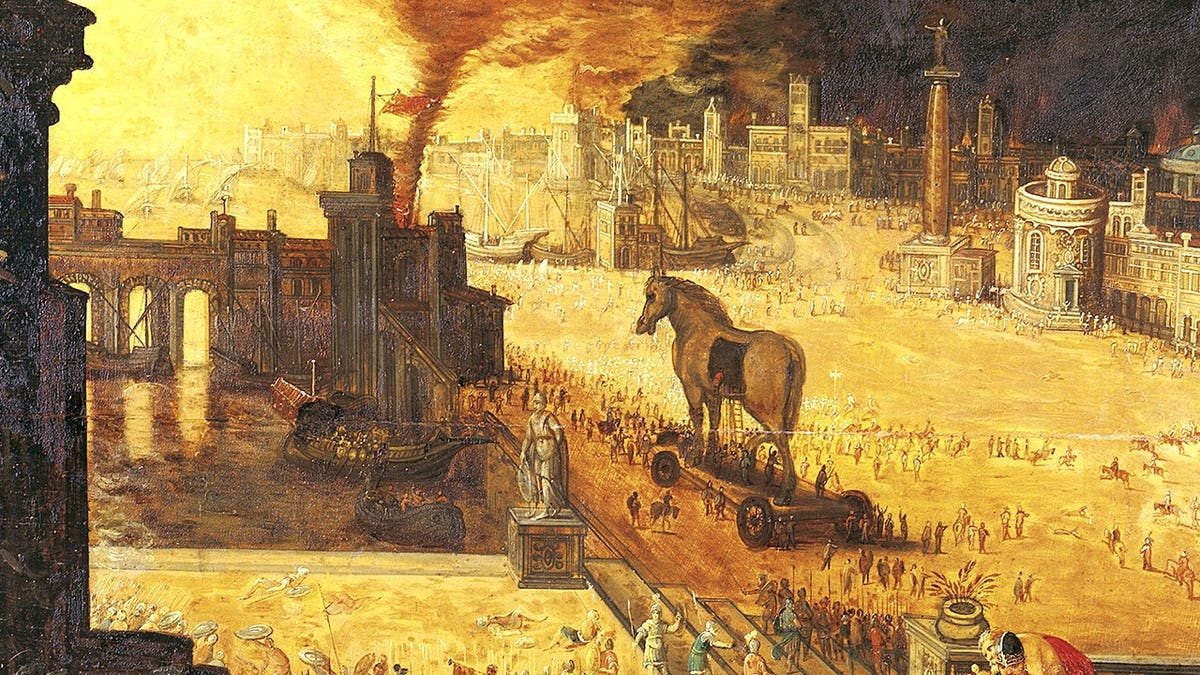
The fragment comes from Book II of the “Iliad” and describes the Greek forces preparing for the Trojan War. The text was identified by papyrologist Leah Mascia.
Ignasi-Xavier Adiego, a professor at the University of Barcelona, emphasized that previously found papyri had “mainly magical” content.
CLICK HERE FOR MORE LIFESTYLE STORIES
“Since the late 19th century, a huge number of papyri have been discovered at Oxyrhynchus, including Greek literary texts of great importance,” he said.
“But the real novelty is finding a literary papyrus in a funerary context.”
“[I]t is the first time in the history of archaeology that a Greek literary text has been found deliberately incorporated into the mummification process.”
During the excavation, archaeologists also uncovered Roman-era mummies and decorated wooden sarcophagi inside three limestone burial chambers, with the school noting damage from past looting.
But officials said the Homer fragment was the most notable — and they emphasized its rarity.
CLICK HERE TO DOWNLOAD THE FOX NEWS APP
“The discovery is exceptional: It is the first time in the history of archaeology that a Greek literary text has been found deliberately incorporated into the mummification process,” the school noted.
Fox News Digital reached out to Adiego and Mascia for additional comment.
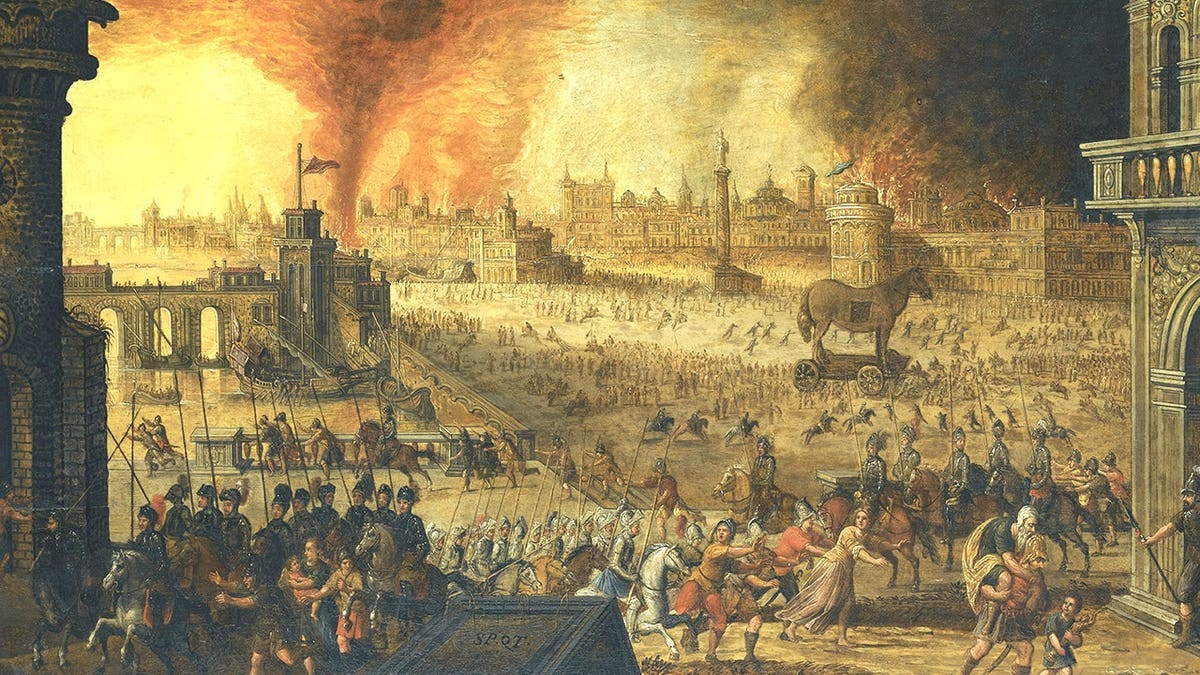
The discovery follows a string of major archaeological finds in Egypt in recent months.
Last month, officials announced the discovery of a massive statue believed to depict the powerful pharaoh often linked to Exodus.
TEST YOURSELF WITH OUR LATEST LIFESTYLE QUIZ
Earlier this spring, archaeologists also announced the discovery of eight Egyptian papyrus scrolls alongside a cache of colorful coffins dating back more than 2,600 years.
Read the full article here
