


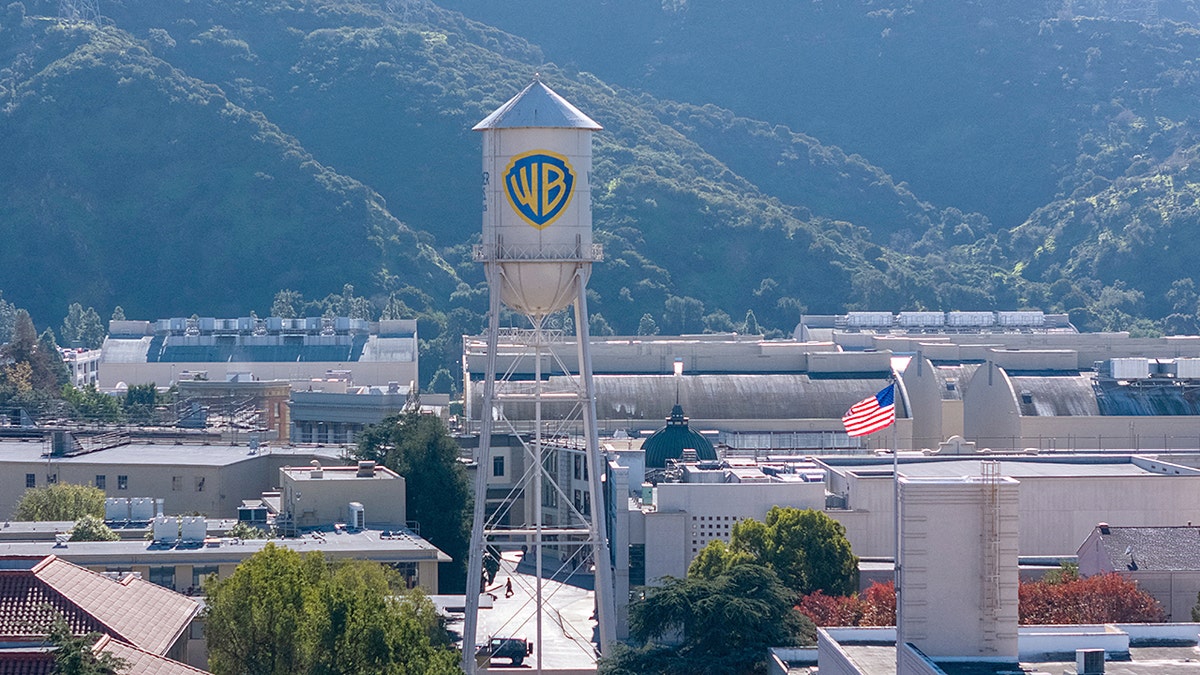
When Netflix announced it intended to buy Warner Bros. Pictures, there was widespread concern that the streaming service giant would permanently alter the legendary studio.
While many Netflix executives, including CEO Ted Sarandos, claimed that they wouldn’t make such changes, it seemed clear what their interest in Warner Bros. came to. Instead of building up the theatrical model, essentially developing and producing movies with the intent of showing them in theaters, Netflix wanted Warner Bros.’ impressive slate of intellectual property.
Essentially, the logic behind the purchase would be that to see the next DC Studios release, like, a Batman film, for example, audiences would need to subscribe to Netflix.
TRUMP SAYS ‘ANY DEAL’ TO BUY WARNER BROS SHOULD INCLUDE CNN
Sarandos in the past has spoken about the theatrical model being “outdated,” that audiences are happier watching from their couches than in theaters. Then, in the wake of the announced purchase agreement, Deadline reported that Sarandos and Netflix favored a 17-day release window. Effectively, a Netflix-Warner Bros. movie would have spent just 17 days in theaters before hitting streaming services.
That’s far lower than the traditional 90-day window, and significantly lower than the more modern 45-day barrier. Still, Netflix maintained that its Warner Bros. purchase wouldn’t end the theatrical model entirely. Except it just admitted it doesn’t want to work with filmmakers who are adamant about movies actually being released in movie theaters.
In a new interview with The New York Times, Dan Lin, the chairman of Netflix’s film division, explained their thinking.
ZERO BS. JUST DAKICH. TAKE THE DON’T @ ME PODCAST ON THE ROAD. DOWNLOAD NOW!
“There is a group of filmmakers who still want theatrical. Those are filmmakers that we’ve accepted we just won’t work with,” Lin said.
That is not particularly encouraging for the future of the movie business. Netflix is still allowing some movies to receive limited theatrical releases, but with the money and power it has in the entertainment industry, it’s going to further consolidate options for filmmakers and creative talent. And it emphasizes why Paramount and David Ellison swooping in to buy Warner Bros. was so important.
CLICK HERE TO DOWNLOAD THE FOX NEWS APP
Paramount will almost certainly operate Warner Bros. as it always has, retaining the theatrical model. And that’s important not just because movie theaters are communal spaces where audiences are, at least ostensibly, forced to put down their phones and other distractions. But also because, as years of Netflix have demonstrated, the quality of theatrical releases is almost always higher than streaming exclusives. The Netflix model has been more, not better. For those who love movies, it’s been a clear erosion over time.
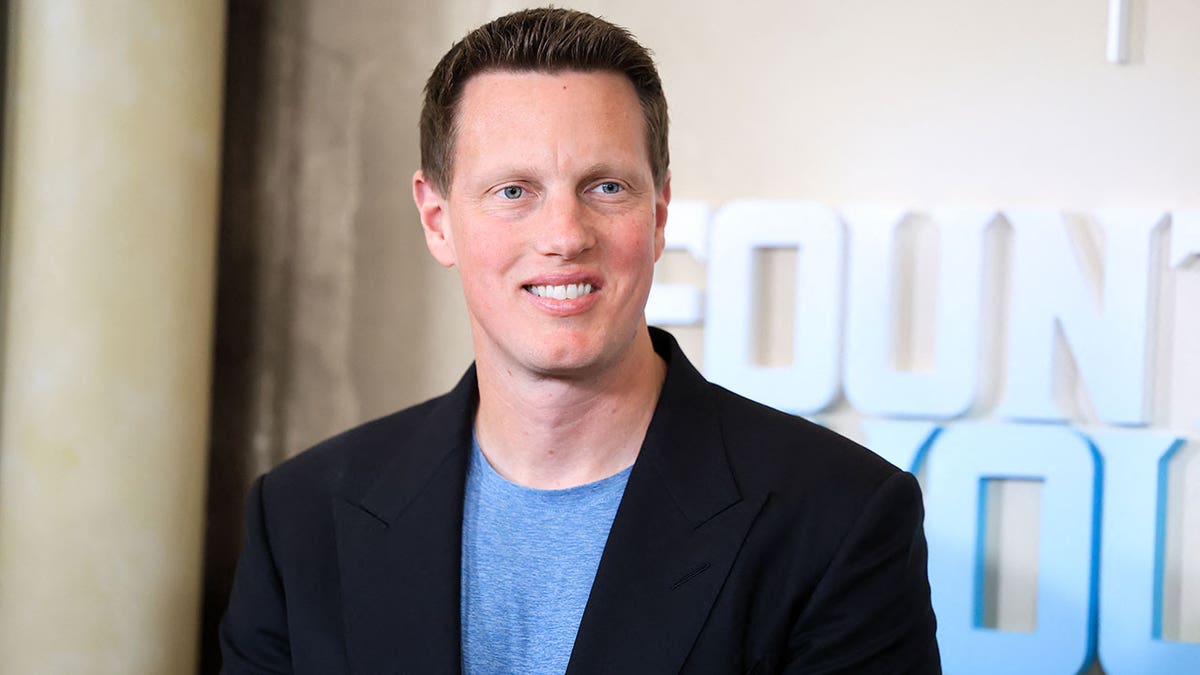
Ellison and Paramount have faced significant criticism from the political left because, unlike much of Hollywood, Ellison has emphasized making entertainment designed to appeal to broad audiences. “Top Gun: Maverick” and the “Mission: Impossible” franchise are prime examples—films that prioritize storytelling and spectacle over politics or ideology. But a potential Ellison-led acquisition of Warner Bros. wouldn’t just benefit moviegoers looking to be entertained. It would benefit anyone who enjoys going to the movies. And that’s a good thing.
Read the full article here