

NEWYou can now listen to Fox News articles!
Boarding school students in Scotland helped uncover something extraordinary during a school trip: the remains of what’s believed to be a 1,000-year-old Viking-era church.
Young people from Gordonstoun, located in Moray, Scotland, uncovered the foundations of an altar and a step inside the long-known ruins on the deserted island of Swona in Orkney.
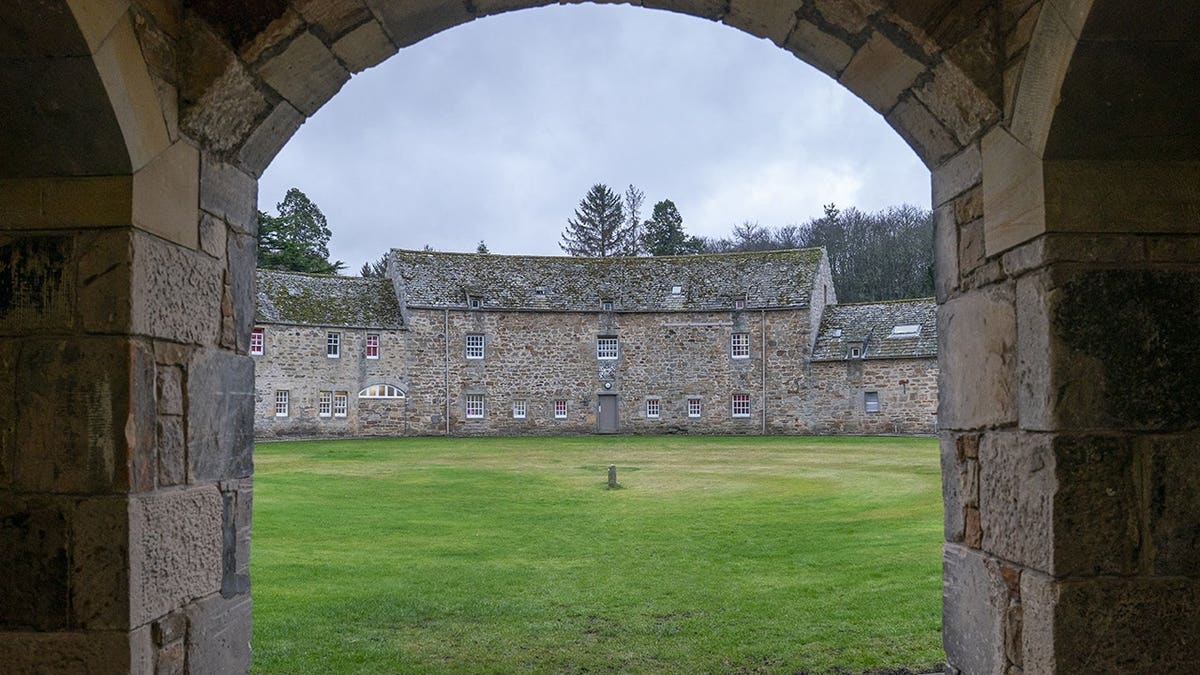
Gordonstoun — the alma mater of King Charles III and his late father, Prince Philip — runs an annual service project on the remote island called the Swona Service Project, where students take part in archaeological and restoration work.
ANCIENT VIKING SWORD DISCOVERED ‘STICKING UP OUT OF THE GROUND’ AFTER 1,300 YEARS
Gordonstoun housemaster Daniel McLean, who is also the organizer of the project, told Fox News Digital the structure had long been known locally as a “kirk,” or church, but its origins remained uncertain.
While the ruins themselves were already known, it was unclear whether the structure had actually been a church.
The excavation uncovered altar foundations and a step, lending new weight to a local legend that the ruins were once a church.
The team had surveyed the site the previous year, McLean said, and found several characteristics consistent with early medieval church architecture.
‘SIGNIFICANT’ EARLY CHRISTIAN CHURCH EMERGES BENEATH FORMER FISH MARKET IN ANCIENT CITY
“Everything about the structure [fit],” he said. “The size of it, the length, the width ratio, the east-west orientation, the location of the door, the construction methods — it all [fit] for it to be an early medieval church.”
When the team returned to excavate the site, McLean said they began digging along the inside of the eastern wall, where they believed an altar would have stood.
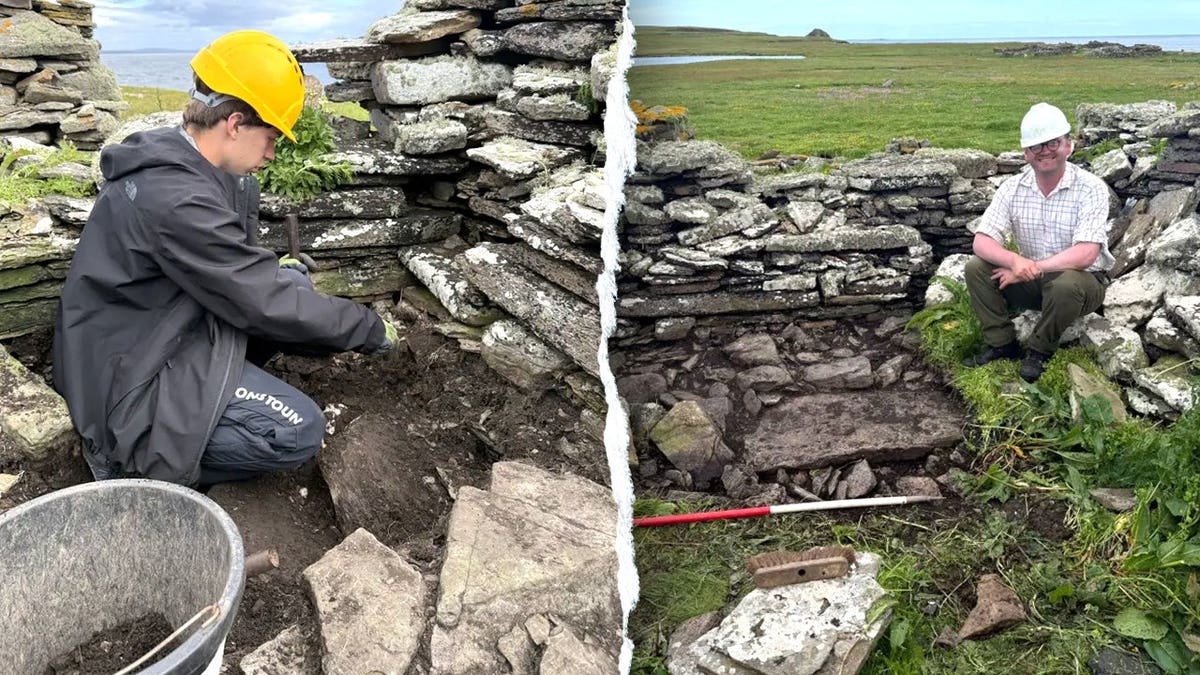
“I thought if there’s anything churchy here, we may find the remains of where the altar was on the inside of the east wall,” McLean said.
The team quickly uncovered the foundations of the altar and a step in front of it.
RARE ROYAL ARTIFACT LINKED TO INFLUENTIAL KING-TURNED-SAINT UNCOVERED AFTER DECADES MISSING
The church is believed to date to the 10th or 11th century, based on similarities to other Viking-era churches in the region.
For Archie Maclean, one of the students who worked on the excavation, seeing the remains up close made the discovery feel real.
“The structure of the building is still so visible, even after years of earth and wind and weather eroding the outside.”
“When you see the altar in person, you go, ‘Oh my gosh, it’s still an altar after all of this time,'” Maclean told Fox News Digital.
Maclean helped dig the original test pit and later cleaned up the altar and doorway for photographs. He said he was struck by how well the structure had survived.
DISCOVERY BENEATH SOCCER FIELD REVEALS MASSIVE MEDIEVAL CONVENT LOST FOR CENTURIES
“Same with the doorway as well, the structure of the building is still so visible, even after years of earth and wind and weather eroding the outside — I found [it] fascinating personally,” Maclean said.
The school has a unique arrangement with the island’s owners, the Annal family, and the Swona Heritage Group, to make the experience possible.
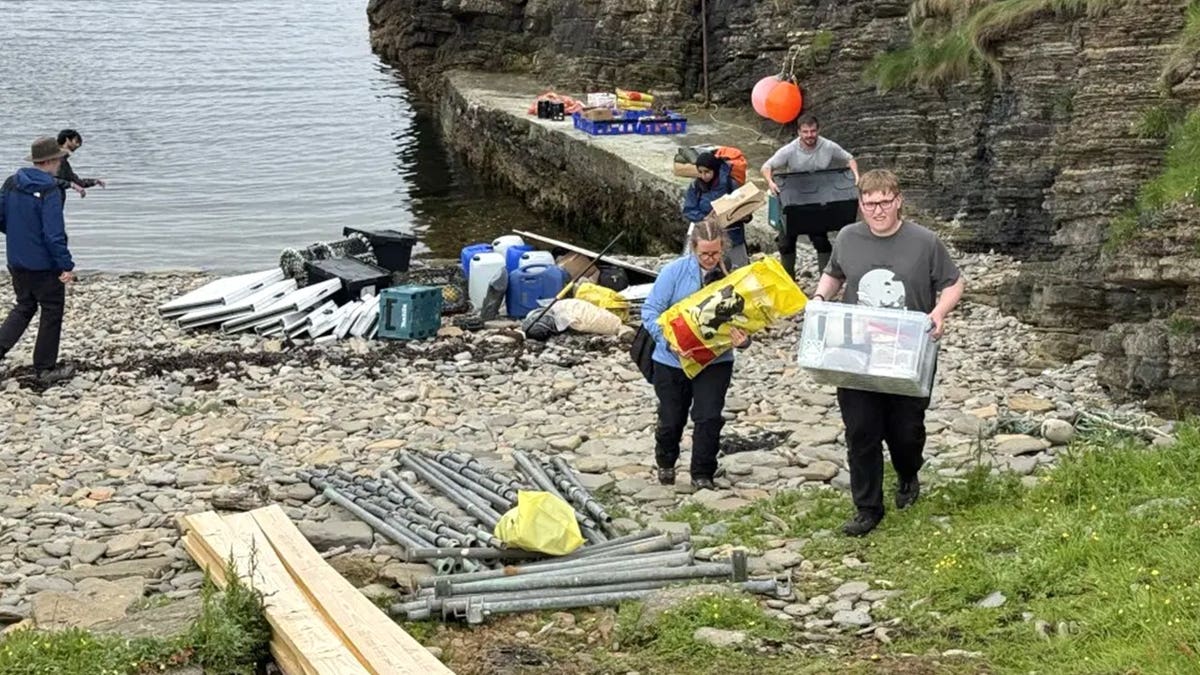
The 10 students traveled roughly 10 hours by bus, ferry and boat to reach Swona, a remote island about seven miles north of John o’ Groats.
Alfie Pullin, a student who helped restore the old house where the group stayed, told Fox News Digital the team worked to replace its wooden living room floor, which had rotted away because of drainage problems.
The house had no electricity, while the students pumped fresh water from a 1,000-year-old well, according to Gordonstoun.
Pullin described spending a week working on the isolated island without knowing what the experience would bring as “very surreal.”
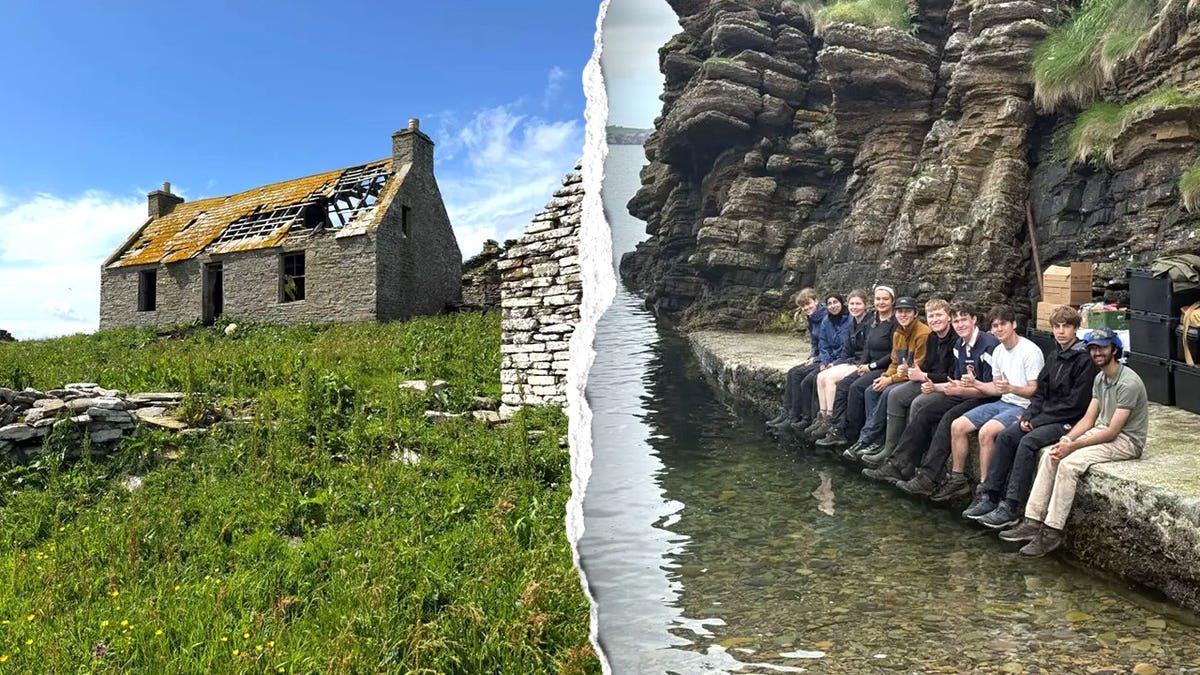
“I think it’s very surreal to go onto an island with a task, but also a sense of [not knowing] what will actually happen while you’re on there for a week,” he said.
CLICK HERE FOR MORE LIFESTYLE NEWS
Pullin added the experience allowed the students “to make these discoveries and to upkeep the island and come away knowing more and leaving the island in a better state than it was before.”
School officials plan to return to Swona next year for further investigations of the archaeological sites.
TEST YOURSELF WITH OUR LATEST LIFESTYLE QUIZ
The team also plans to use GPS data and digital images collected at the site to create a 3D model of the church, while archaeologists hope further analysis will help determine its age.
Maclean said discoveries on remote sites such as Swona can provide clues about the communities that once lived there, as well as how Christianity spread.
CLICK HERE TO DOWNLOAD THE FOX NEWS APP
“Even in places that seem like the middle of nowhere, you can find these parts of history that can re-contextualize a whole village there, or even up to the way that Christianity was spread in this example,” said Maclean.
Read the full article here